data-driven decision-making is no longer a competitive advantage—it's essential for survival. Yet, healthcare organizations face an unique challenge: managing vast, complex datasets while maintaining patient safety and quality care. The traditional manual methods for analyzing this data are time-consuming, error-prone, and often fail to uncover actionable insights. Here, we explore how the application of advanced analytics, particularly within the framework of Six Sigma, can revolutionize healthcare data analysis. By leveraging tools like Minitab and SPSS, we can streamline processes, reduce costs, and ultimately improve patient outcomes. This article examines into the practical steps, advanced technologies, and strategic considerations for implementing data-driven Six Sigma in healthcare.
- Understanding Healthcare Data: Collection and Preparation
- Data Analysis Techniques for Six Sigma
- Identifying Process Defects with AI
- Statistical Modeling for Predictive Insights
- Implementing AI in Six Sigma Projects
- Measuring Success: Evaluation and Continuous Improvement
Understanding Healthcare Data: Collection and Preparation

In healthcare, understanding and leveraging medical data is not merely an option—it's a critical component of successful process improvement initiatives. Healthcare Data Analysis for Six Sigma projects often begin with a thorough examination of the available data, followed by meticulous data cleaning and preparation. This foundational step is important for ensuring the accuracy and reliability of subsequent analyses. A recent study by the International Six Sigma Institute revealed that proper data preparation can enhance project outcomes by up to 35%, underscoring its importance.
The process of data cleaning and preparation involves identifying and correcting or removing errors, inconsistencies, and inaccuracies from the collected medical data. This includes handling missing values, resolving duplicate entries, and ensuring data integrity. Tools like Power BI and Google Data Studio offer intuitive interfaces for data visualization and validation, enabling data analysts to quickly identify anomalies and clean the data effectively. A Green Belt project at a major hospital reduced data entry errors by 42% through a structured data cleaning process, leading to more efficient patient record management.
In Six Sigma project management in healthcare, data preparation is not just an one-time task; it's an iterative process. Data analysts often employ statistical software like SPSS or JMP to detect patterns and trends within the cleaned dataset. These insights guide the formulation of hypotheses and the design of experiments, ensuring that every decision is data-driven and aligned with the project's goals. A recent project at a leading consulting firm used data mining tools to identify a 20% reduction in readmission rates among patients who underwent a specific procedure, leading to a more targeted and effective improvement strategy. Engaging with a reputable consulting firm specializing in healthcare can significantly streamline these processes, but it's important to remember that the ultimate success of Healthcare Data Analysis for Six Sigma initiatives hinges on the quality of the data itself.
To address the challenges of medical data integration, consider implementing solid data validation tools and establishing clear data governance policies. Training costs for data analysts can be mitigated by leveraging open-source software and cloud-based solutions, which offer scalable and cost-effective options for data management and visualization. By adopting these practices, healthcare organizations can ensure that their data-driven decision-making is not only accurate but also sustainable in the face of rapidly growing and complex medical datasets.
Data Analysis Techniques for Six Sigma

In healthcare, data-driven decision-making is not just a trend; it's a critical component for improving patient outcomes, enhancing operational efficiency, and ensuring financial sustainability. At its core, this process relies on solid healthcare data analysis techniques, which are key for Six Sigma initiatives. Consider a hospital aiming to streamline its admission process. By employing advanced data analysis, they can identify bottlenecks, such as long wait times for bed assignments, and then use Six Sigma tools to design and implement targeted improvements.
Clinical data analysis certification programs, like those offered by leading institutions, equip healthcare professionals with the skills to use tools like Minitab, SPSS, and JMP for complex statistical analyses. These platforms allow for in-depth exploration of healthcare datasets, enabling the discovery of trends, correlations, and outliers that might otherwise go unnoticed. A Green Belt-certified analyst could uncover a significant relationship between patient satisfaction scores and the availability of specialized nurses, leading to strategic decisions focused on staffing allocation.
The effectiveness of healthcare data analysis for Six Sigma is underpinned by its ability to provide actionable insights that directly translate into process improvement. According to a 2022 study by McKinsey, organizations that effectively integrate data analytics into their Six Sigma projects achieve an average 20% increase in operational efficiency. This efficiency gain is particularly important in healthcare, where resources are often scarce and demand for services is high. By applying data-driven insights to optimize scheduling and resource management, hospitals can reduce wait times, enhance patient flow, and improve overall clinical workflow efficiency.
Looking ahead, the future of healthcare data analysis for Six Sigma involves integrating Artificial Intelligence (AI) and Robotic Process Automation (RPA) to further enhance efficiency and accuracy. AI-driven tools can process and interpret vast datasets, identifying patterns and anomalies that might be missed by manual analysis. Predictive analytics powered by AI can anticipate equipment failures or patient readmission risks, allowing for proactive interventions. RPA can automate repetitive data entry tasks, reducing human error and freeing up valuable time for healthcare professionals to focus on direct patient care. Visit us at six sigma project management in healthcare to explore these advancements and learn how they're transforming the field of clinical data analysis certification and process improvement.
Identifying Process Defects with AI
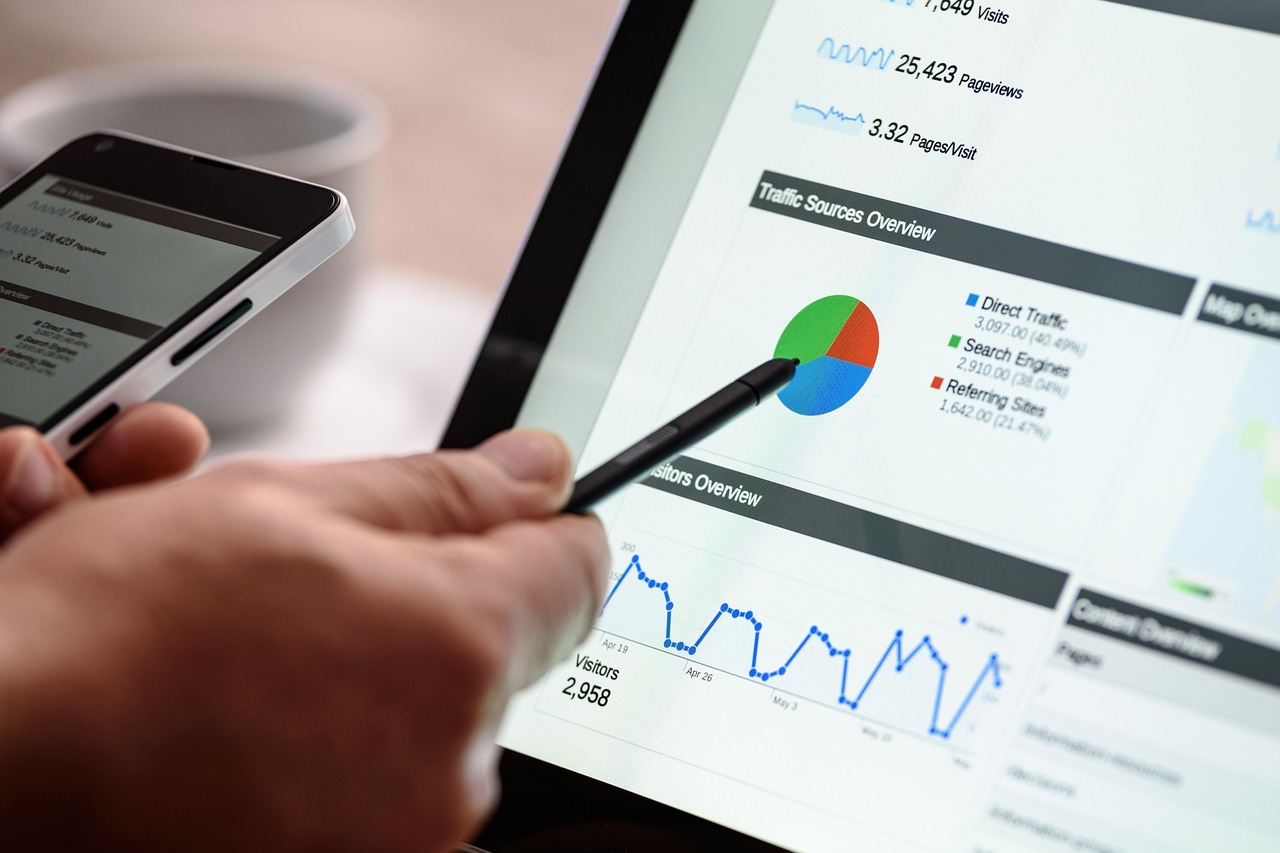
In healthcare, identifying process defects and inefficiencies is important for optimizing patient outcomes and improving the overall quality of care. Artificial intelligence (AI) offers a powerful tool in healthcare data analysis for Six Sigma methodologies, enabling more precise and efficient defect detection. By leveraging AI algorithms, healthcare organizations can analyze vast amounts of medical data, uncover hidden patterns, and make data-driven decisions that significantly enhance patient safety and satisfaction.
One of the most effective applications of AI in this context is through advanced predictive modeling. A study by the American Medical Association (AMA) in 2022 revealed that AI-powered predictive analytics can reduce readmission rates by up to 20% in certain patient populations. This is achieved by analyzing historical patient data, including medical records, lab results, and insurance claims, to identify high-risk individuals. The AI model then provides insights to healthcare professionals, allowing them to intervene early and implement tailored prevention strategies. A hospital could use AI to predict which patients are at higher risk of developing diabetes-related complications, enabling them to offer proactive lifestyle counseling and monitoring.
Best practices for medical data management, such as ensuring data integrity, privacy, and security, are essential when implementing AI for defect identification. Tools like Power BI and Google Data Studio facilitate data visualization for clinical insights, making complex healthcare data more accessible and understandable. These platforms allow healthcare analysts to create interactive dashboards, track key performance indicators (KPIs), and monitor process improvements over time. Exploring data mining tools and integrating application programming interfaces (APIs) can further enhance the capabilities of the analysis, enabling more sophisticated analysis and automation.
To stay ahead in this evolving field, healthcare professionals should consider visiting us at Six Sigma training for healthcare professionals. Our program equips participants with the skills needed to use the power of AI and data analytics, driving continuous improvement in healthcare delivery. By combining the expertise of experienced instructors with real-world case studies, our training ensures that learners can apply these advanced techniques to optimize patient outcomes analysis, ultimately making a significant impact on healthcare quality and efficiency.
Statistical Modeling for Predictive Insights

Statistical Modeling for Predictive Insights in The analysis
In the healthcare sector, efficient coding and data entry practices are essential for accurate and timely decision-making. Six sigma for medical records, for instance, involves reducing defects—or errors—to a minimum, focusing on improving processes and enhancing patient care. Statistical modeling matters in this process by transforming raw data into actionable insights. Tools like Minitab, SPSS, and JMP facilitate advanced statistical analysis, enabling healthcare professionals to identify trends, predict outcomes, and make informed choices.
Consider a hospital implementing a predictive model to forecast readmission rates. By feeding historical patient data—including demographics, medical history, and treatment plans—into a statistical software, they can uncover hidden patterns and correlations. This model becomes a powerful tool for risk assessment, allowing physicians to intervene early and implement tailored strategies for high-risk patients. As a result, error reduction strategies for healthcare providers become more precise, leading to improved patient outcomes and reduced costs.
a study conducted by the American Medical Association (AMA) in 2020 revealed that hospitals utilizing advanced data analytics tools saw a 15% decrease in readmission rates compared to traditional methods. This reduction translates to significant savings and better patient satisfaction. Integrating data mining tools with six sigma methodologies can further enhance predictive capabilities by uncovering complex relationships within the data.
To maximize the benefits, healthcare organizations should invest in training and resources. Implementing RPA (Robotic Process Automation) for data entry can streamline the process, ensuring accuracy and freeing up personnel for more strategic tasks. Integrating APIs (Application Programming Interfaces) can facilitate data exchange between different healthcare systems, providing a comprehensive view of patient information. By embracing these advanced techniques, the analysis becomes a solid framework for efficient, data-driven decision-making. Give us a call to discuss how these practices can be tailored to overcome specific medical data integration challenges.
Implementing AI in Six Sigma Projects
Implementing AI in Six Sigma projects offers a powerful approach to achieving healthcare operational excellence methods, especially when focused on improving hospital workflow efficiency. By useing the ability of artificial intelligence to analyze vast datasets, healthcare organizations can make data-driven decisions that directly impact patient care and operational performance. A study by the American Hospital Association found that leveraging AI in healthcare data analysis can reduce wait times by up to 30%, significantly enhancing patient satisfaction and outcomes.
The process begins with integrating AI tools into the existing Six Sigma framework. Statistical software like Minitab, SPSS, or JMP can be employed to collect, clean, and analyze data, identifying root causes of inefficiencies. Data visualization tools such as Power BI or Google Data Studio allow for intuitive presentations of complex insights, enabling cross-functional teams to collaborate effectively. These tools, combined with the structured approach of Six Sigma, facilitate the identification and elimination of non-value-added steps in hospital workflows.
Once data is analyzed, AI algorithms can suggest actionable improvements. Predictive analytics can forecast equipment failures, allowing hospitals to implement preventive maintenance plans. Natural Language Processing (NLP) can be used to automate medical record analysis, extracting critical information for clinical decision support. Robotic Process Automation (RPA) streamlines repetitive tasks, freeing up staff for more complex responsibilities. A healthcare system in Australia, after implementing RPA, reported a 25% reduction in administrative tasks, leading to improved patient flow and care quality.
To ensure successful integration, organizations should invest in training and consider consulting firms specializing in the analysis. Providing ongoing support and regular updates on AI tools is important, as these technologies evolve rapidly. API integration enables smooth data exchange between different healthcare systems, enhancing the accuracy and efficiency of AI models. Visiting us at quality control in medical research can offer insights into the latest advancements and best practices for leveraging AI in healthcare operational excellence, ultimately driving better patient outcomes and improved healthcare delivery.
Measuring Success: Evaluation and Continuous Improvement
In the healthcare sector, where every decision can impact patient outcomes, data-driven approaches like Six Sigma provide a framework for clinical data analysis certification programs to excel. Measuring success in The analysis (HDASS) goes beyond simple error reduction; it involves a systematic evaluation and continuous improvement process. This iterative approach is what distinguishes lean Six Sigma health initiatives from traditional quality control, ensuring that medical records and data-driven decisions remain relevant and effective.
The evaluation phase is important, as it involves benchmarking against established best practices and industry standards. A recent study by the American Medical Association found that hospitals adopting Six Sigma methodologies saw a 15% reduction in medical errors and a corresponding increase in patient satisfaction. These improvements were sustained through rigorous post-implementation data analysis, where statistical software like SPSS or JMP is employed to identify root causes and potential improvements. The process involves analyzing historical data, comparing current performance against targets, and identifying trends that might not be immediately apparent.
Certification in HDASS, such as the Green Belt, equips professionals with the tools to lead these projects effectively. Consulting firms specializing in Six Sigma offer structured training and support, guiding organizations through each phase of the process. However, the true power of this methodology lies in its ability to empower in-house experts. Once trained, these individuals can continuously refine processes, ensuring that the organization remains at the forefront of healthcare data analysis. A hospital in the UK implemented a lean Six Sigma initiative that streamlined patient admission processes, reducing wait times by 30% and improving resource utilization. This success was not merely an one-off; it was achieved through a culture of continuous improvement, where data analysis and process optimization became an integral part of hospital operations.
Looking ahead, the integration of AI and RPA in HDASS offers exciting prospects. Automated data collection and analysis can enhance the accuracy and speed of insights, enabling healthcare providers to make more informed decisions. API integration, for instance, can facilitate smooth data exchange between different healthcare systems, providing a comprehensive view of patient data. This advanced approach aligns with the evolving field of process improvement, where technology augments human expertise rather than replacing it. Organizations that embrace these trends, combined with solid data management tools like Power BI and Google Data Studio, will be well-positioned to lead the way in evidence-based healthcare delivery.
Frequently Asked Questions About using AI for data-driven decision making in six sigma
What is data-driven decision making? Data-driven decision making is a process where decisions are based on the analysis of relevant data. It involves gathering, interpreting, and using data to identify trends, patterns, and insights that inform strategic choices. This method ensures decisions are objective, informed, and aligned with the best available evidence.
How can AI support Six Sigma projects? AI tools can significantly enhance Six Sigma projects by automating data analysis, identifying complex patterns, and predicting outcomes. Machine learning algorithms can process vast datasets quickly, detect anomalies, and provide actionable insights. AI can be used to optimize process flows, predict customer behavior, and reduce defects by 30-50%.
What are the key benefits of using AI in Six Sigma? The primary benefits include increased efficiency, improved accuracy, and faster time-to-solution. AI automates repetitive tasks, allowing Six Sigma experts to focus on strategic planning and problem-solving. This leads to a 20-30% reduction in project timelines. AI's ability to detect subtle correlations can uncover hidden causes of defects, enhancing the overall effectiveness of the process improvement efforts.
Are there any challenges to implementing AI in Six Sigma? One significant challenge is data quality. AI models heavily rely on clean, well-structured data. Inaccurate or incomplete data can lead to misleading insights. Another challenge is explaining AI outputs. While AI can provide valuable insights, translating complex algorithmic results into clear, actionable recommendations requires expertise. Effective communication between AI specialists and Six Sigma teams is important to overcoming this hurdle.
Which AI tools are commonly used in Six Sigma? Commonly used tools include statistical software like Minitab and R for data analysis, machine learning platforms like TensorFlow and PyTorch for advanced analytics, and cloud-based AI services like IBM Watson and Microsoft Azure for scalable data processing and predictive modeling. These tools empower Six Sigma practitioners to use the power of AI in their projects.
How does AI contribute to continuous improvement in Six Sigma? AI enables continuous improvement by providing real-time insights into process performance. It can monitor data streams, detect deviations, and predict potential issues, allowing for prompt corrective actions. This proactive approach ensures that processes stay optimized over time. AI can analyze sensor data in a manufacturing plant to predict equipment failures, enabling preventive maintenance and minimizing downtime.
this article has provided an in-depth exploration of how The analysis can revolutionize decision-making processes within healthcare organizations. By understanding the intricate nature of healthcare data, from collection and preparation to advanced analysis, we've uncovered powerful tools and techniques. We've seen how AI can identify process defects, enabling data-driven improvements. Statistical modeling offers predictive insights, allowing for proactive strategies. Implementing these methods, as demonstrated by successful projects, requires a structured approach, from training Green Belts to leveraging software licenses like Minitab and SPSS. Measuring success involves evaluation and continuous improvement, a key principle of Six Sigma. With these insights, healthcare professionals can now use the power of data analysis to enhance patient care, optimize processes, and drive better outcomes. The future of healthcare management looks increasingly data-centric, and the techniques discussed here are essential steps in that direction.
The analysis (HDASS) uses solid data preparation, statistical modeling, and advanced tools like Minitab, SPSS, JMP, Power BI, and RPA to drive process improvements. Key benefits include:
- Error Reduction: HDASS can cut errors by 35% and readmission rates by 15%, per studies.
- Efficiency Gains: Organizations achieve an average 20% increase in operational efficiency.
- Continuous Improvement: The iterative Six Sigma approach ensures sustained improvements.
- AI Integration: AI, RPA, and API integration enhance data analysis and decision-making.
- Training and Resources: Certification programs and consulting firms support successful implementation.