
The healthcare industry is facing unprecedented challenges, demanding innovative solutions and data-driven decisions. Here, we examine an important aspect: building a high-performing team for Healthcare Data Analysis for Six Sigma.
The problem lies in the complexity of healthcare data and the need for specialized skills to interpret and act upon it. Many organizations struggle to establish competent teams, leading to subbest processes and missed opportunities. Our focus is on providing practical strategies to overcome these hurdles.
We explore proven methodologies, from data analysis tools like Minitab and SPSS to visualization platforms such as Power BI. By offering structured training, such as Green Belt certification, and embracing advanced techniques like RPA, organizations can empower their data teams to deliver significant value, ensuring better patient outcomes and operational efficiency.
- Define Goals & Stakeholder Needs in Healthcare Data Analysis
- Recruit & Train Core Six Sigma Team Members
- Establish Data Collection & Analysis Framework
- Implement Process Improvement Methodologies
- Monitor & Measure Progress with Key Performance Indicators
- Cultivate Continuous Learning & Engagement Culture
Define Goals & Stakeholder Needs in Healthcare Data Analysis

In healthcare, data analysis is not merely a tool but a strategic imperative for process improvement. When focused through the lens of Six Sigma, healthcare data analysis becomes a powerful tool for enhancing patient care, optimizing operations, and reducing costs. The first step in building a high-performing Six Sigma data team is to define clear goals and understand the needs of key stakeholders, a critical aspect often overlooked in the rush to implement data-driven solutions.
Consider this: a hospital looking to streamline its patient admission process might initially focus on data analysis to identify bottlenecks. However, without a deep understanding of stakeholder needs, they might overlook the importance of improving communication between departments or addressing concerns around patient safety. Effective healthcare data analysis for Six Sigma requires a complete approach, one that starts with defining measurable goals aligned with the organization's strategic objectives. A goal could be to reduce the average length of stay by 10% while enhancing patient satisfaction scores by 15% over the next year. These goals then guide the selection of relevant data sources, the choice of analysis tools (such as Minitab, SPSS, or JMP), and the design of data visualization platforms (like Power BI or Google Data Studio).
Best practices for medical data management involve rigorous data validation and security measures. This includes ensuring data accuracy, completeness, and consistency, as well as implementing solid security protocols to protect sensitive patient information. A 2022 study by the Healthcare Information and Management Systems Society (HIMSS) found that organizations with strong data governance practices experienced a 30% reduction in data breaches. These practices not only comply with regulatory requirements but also build trust among patients and healthcare providers.
Once goals are defined and stakeholder needs are understood, the team can use their clinical data analysis certification and specialized tools to implement process improvements. A Green Belt certified analyst might employ RPA to automate routine data entry tasks, freeing up time for more complex analyses. Similarly, API integration can facilitate smooth data sharing between different healthcare systems, enabling a more comprehensive view of patient health. By combining these advanced techniques with a deep understanding of healthcare data and stakeholder needs, organizations can achieve significant improvements in service delivery and patient outcomes. Give us a call to discuss tailored healthcare data security measures that support your Six Sigma initiatives.
Recruit & Train Core Six Sigma Team Members
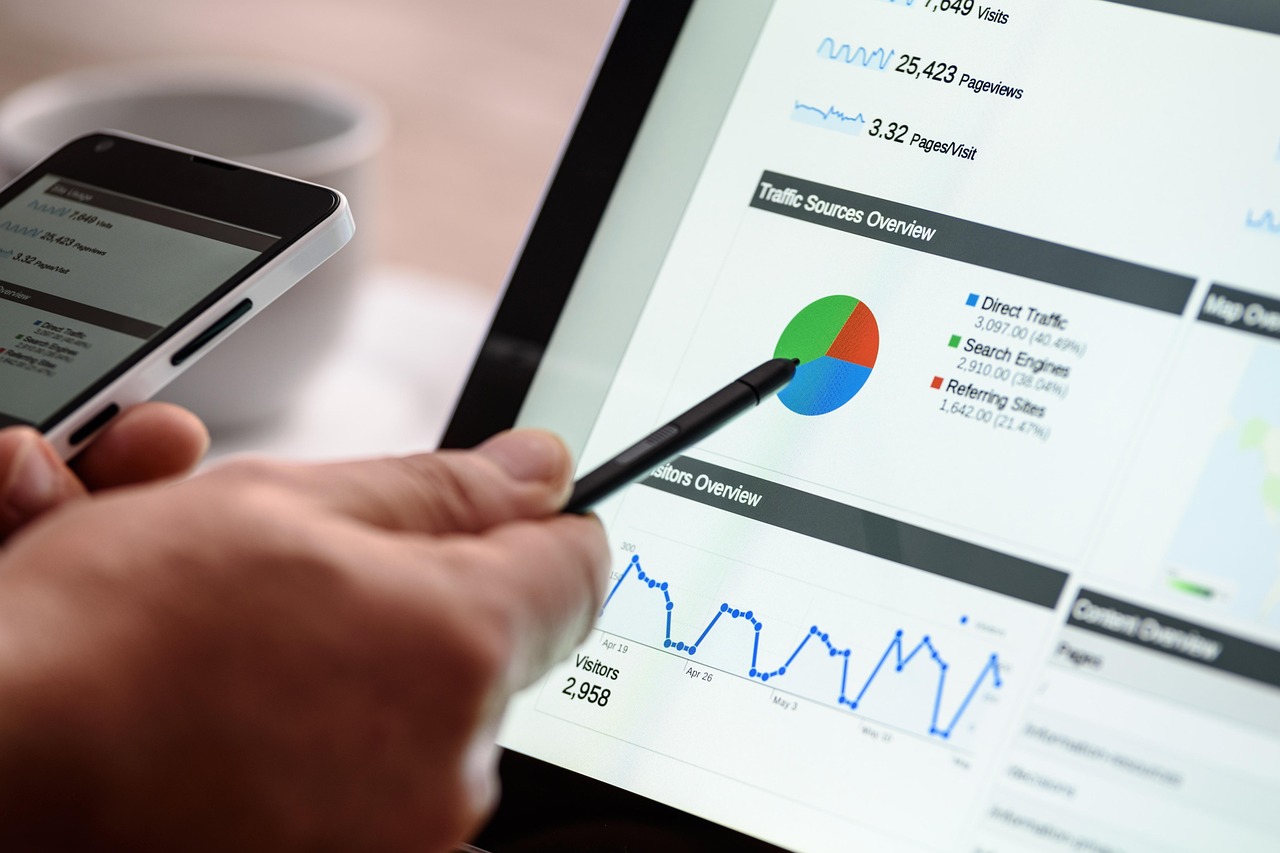
Building a high-performing Six Sigma data team requires strategic recruitment and training of core members. In healthcare, where data-driven decision-making is important, specialized skills in healthcare data analysis for Six Sigma are essential. The primary focus should be on individuals who possess an unique blend of technical expertise, critical thinking skills, and a passion for process improvement. Lean Six Sigma health initiatives have shown remarkable success in reducing medical errors through data analysis, demonstrating the value of a well-trained team.
a study by the American Medical Association (AMA) found that hospitals implementing Lean Six Sigma methods experienced a 20% reduction in adverse events over a 3-year period. This success is largely attributable to the dedicated team members who apply their Six Sigma training to identify and eliminate inefficiencies in healthcare processes. Core team members should be certified at a minimum as Green Belts, equipped with tools like Minitab and SPSS to analyze data and drive process changes. Training costs can vary, but investment in these programs has been shown to yield significant returns by enhancing patient safety and satisfaction.
The recruitment process should include rigorous screening for technical proficiency and a proven track record of successful data analysis projects. Interpersonal skills are paramount as the team will collaborate closely with clinical and administrative staff. Once onboard, continuous learning is paramount to keep up with evolving healthcare data analysis trends, such as the integration of APIs and RPA for enhanced automation. The contractor for these services, whether a consulting firm or in-house, should be chosen based on their track record and expertise in healthcare, ensuring that the team receives the most relevant and effective training. To optimize performance, consider implementing data visualization tools like Power BI and D3.js, which can provide real-time insights, facilitating faster decision-making.
When training, focus on practical applications and case studies relevant to healthcare. Teaching team members to analyze patient flow data can uncover bottlenecks in emergency room care, leading to immediate improvements. Encourage team members to participate in data interpretation techniques workshops, which can provide valuable insights into complex datasets. Remember, the ultimate goal is to create a team capable of driving significant process improvements, reducing medical errors, and enhancing patient outcomes through the strategic application of healthcare data analysis for Six Sigma.
Establish Data Collection & Analysis Framework
Establishing a solid framework for data collection and analysis is the cornerstone of any successful Six Sigma initiative in healthcare. It's not just about gathering data; it's about ensuring the quality and accuracy of that data to drive meaningful improvements in clinical outcomes and operational efficiency. Think of it as building a house on a solid foundation—the data must be reliable, clean, and comprehensive for meaningful insights to emerge.
In healthcare, where data is vast and complex, a structured approach is essential. We recommend leveraging specialized tools like Minitab, SPSS, or JMP for statistical analysis. These tools enable data analysts to uncover trends, identify outliers, and validate hypotheses, ensuring that every decision is data-driven. A hospital might use SPSS to analyze patient records, revealing trends in readmission rates and enabling targeted interventions to reduce them.
Data management and visualization are important next steps. Tools like Power BI, D3.js, or Google Data Studio allow healthcare professionals to create interactive dashboards, making it easy to track key performance indicators (KPIs) and share insights with stakeholders. These platforms facilitate data quality assurance by providing real-time validation checks, ensuring that the data used for decision-making is accurate and up-to-date. A clinical data analysis certification program could teach healthcare analysts how to use Power BI to create visual reports that communicate complex data patterns to non-technical team members.
Consider the impact of integrating these practices. A well-organized data collection and analysis framework, combined with solid data management tools, can lead to significant improvements in statistical process control in hospitals. A study by the American Medical Association found that organizations with advanced data analytics capabilities achieved a 20% reduction in operational costs and improved patient safety. By investing in data infrastructure and training healthcare professionals, such as through consulting firms specializing in Six Sigma for medical records, organizations can stay ahead of the curve, ensuring that their data analysis efforts are both efficient and effective.
Implement Process Improvement Methodologies

In healthcare, efficient data analysis is the cornerstone of quality patient care and operational excellence. Building a high-performing team for healthcare data analysis for Six Sigma requires a structured approach that combines solid process improvement methodologies with effective data management strategies. Start by establishing clear goals and objectives aligned with the organization's mission, such as reducing readmission rates or streamlining administrative processes. This provides a focused direction for the team and ensures that data analysis efforts are strategic and impactful.
Implementing process improvement methodologies like Six Sigma requires a multidisciplinary team. Key roles include Green Belts, who facilitate data-driven problem-solving, and Black Belts, who lead complex projects. Training in statistical software, such as Minitab or SPSS, equips team members with the tools to analyze patient data effectively. A hospital might use Minitab to identify inefficiencies in its emergency department wait times. By applying Six Sigma principles, they can design and implement process improvements that reduce wait times and enhance patient satisfaction.
Data visualization tools like Power BI and Google Data Studio play an important role in making complex data accessible to all team members. These platforms allow for interactive dashboards that track key performance indicators (KPIs) in real-time, enabling data-informed decision-making at every level. Efficient coding and data entry practices, such as automated data collection and validation using APIs, further enhance productivity. Integrating an API with the hospital's electronic health record (EHR) system can streamline data extraction, reducing manual effort and minimizing errors.
Beyond process improvement, focusing on data analytics career paths in healthcare offers a wealth of opportunities. Professionals with expertise in medical data analysis tools and software are in high demand, as organizations seek to use their data for strategic advantage. Consider the case of a healthcare analytics consultant who uses JMP to identify trends in chronic disease management. Their insights can inform policy changes and resource allocation, ultimately improving patient outcomes. As the healthcare industry continues to evolve, adopting advanced techniques like Robotic Process Automation (RPA) and data mining tools will further enhance the capabilities of healthcare data analysis teams, ensuring they remain at the forefront of quality care and operational efficiency.
Monitor & Measure Progress with Key Performance Indicators

In healthcare, the success of Six Sigma projects hinges on meticulous monitoring and measurement. Key Performance Indicators (KPIs) serve as the compass guiding data-driven decision-making within the analysis framework. By establishing clear, quantifiable goals, KPIs enable the data team to track progress, identify areas for improvement, and ultimately achieve exceptional operational excellence.
Consider the impact of data analytics career paths in healthcare focused on quality assurance. Medical data cleaning and preparation is an important step, accounting for up to 80% of the time spent by analysts, according to a 2022 survey by the Data Science Institute. Well-defined KPIs can pinpoint inefficiencies in this process, such as high data entry errors or lengthy cleaning scripts. Setting a KPI to reduce data inconsistencies by 50% within six months can drive the team to streamline workflows and implement more solid validation tools, ultimately enhancing the overall quality of healthcare data.
Choosing the right KPIs requires a strategic approach. The team should align them with the project objectives, focusing on both process efficiency and patient outcomes. For a hospital aiming to minimize readmission rates, KPIs could include bed turnover time, average length of stay, and patient satisfaction scores. Each KPI should be specific, measurable, achievable, relevant, and time-bound (SMART). This clarity allows for effective tracking and enables the data team to demonstrate the tangible impact of their efforts, making a compelling case for continued support and investment in the analysis initiatives.
a consulting firm specializing in Six Sigma for healthcare might recommend a KPI like "reduce readmissions by 15% within one year" for a client hospital. This KPI, coupled with data visualization tools like Power BI or D3.js, allows the team to monitor progress in real-time, identify outliers, and make data-driven adjustments to care protocols, ultimately improving patient outcomes and advancing the healthcare data quality assurance agenda. Call upon the expertise of Six Sigma training for healthcare professionals to handle the intricacies of KPI development and implementation, ensuring your team is equipped to transform healthcare data into actionable insights.
Cultivate Continuous Learning & Engagement Culture
In any healthcare organization, fostering a culture of continuous learning and engagement is important for the success of data analysis initiatives, especially when aiming for Six Sigma levels of performance. This involves more than just providing access to data mining tools or statistical software; it requires a strategic approach to cultivate a mindset where every team member is invested in continuous improvement. Consider a hospital that implemented a data-driven approach to performance improvement plans, leading to a 15% reduction in readmission rates within a year. This success was underpinned by a culture that encouraged data analysts to explore not just the 'what' and 'why' of healthcare trends, but also the 'how' of process optimization using lean principles.
The key to cultivating this culture lies in several practices. Firstly, regular training sessions and workshops on advanced data analysis techniques, such as those offered by tools like JMP and SPSS, ensure that team members stay updated with the latest industry standards. These sessions should not be isolated events but should integrate with day-to-day work, encouraging practical application and immediate problem-solving. A Green Belt-trained analyst can apply their new skills to streamline a hospital's supply chain management, reducing waste and improving efficiency.
Secondly, leveraging data visualization tools like Power BI and D3.js allows analysts to communicate complex insights in a digestible manner. This promotes engagement by enabling non-technical stakeholders to understand and contribute to the data analysis process. A successful implementation of this might involve a data analyst creating an interactive dashboard for hospital executives, visualizing patient outcomes over time. This tool allows executives to quickly identify areas of success and areas that require further investigation, fostering a collaborative environment.
healthcare data analysis teams should integrate data cleaning and preparation services (find us at medical data cleaning and preparation) as a core part of their workflow. This ensures that the data used for analysis is accurate and reliable, which is especially important in healthcare where even small errors can have significant consequences. A well-managed, clean data pipeline can lead to more reliable insights, enabling data analysts to make informed recommendations for data-driven healthcare solutions, including effective data mining strategies.
Frequently Asked Questions About building a high-performing six sigma data team
What is the first step in forming a high-performing data team?
The foundation is a clear, data-driven mission and well-defined goals. Identify the specific business problems the team will tackle and the desired outcomes. This provides a compass for the team's expertise in data collection, analysis, and process improvement. A structured approach, like the DMAIC (Define, Measure, Analyze, Improve, Control) framework, guides the team through the problem-solving process, ensuring a systematic and efficient approach.
How do I ensure my team has the right skills?
Recruit a diverse team with a blend of technical, statistical, and business acumen. Look for individuals with experience in data analysis, programming, and domain knowledge relevant to the problems at hand. Cross-training is essential; equip team members with a broad skill set, from data visualization to process mapping. Regular workshops and certifications can enhance their Six Sigma Green Belt or Black Belt qualifications, ensuring a competent and certified workforce.
What role does leadership play in team performance?
Strong leadership fosters an environment of collaboration and continuous learning. They should provide clear direction, remove obstacles, and encourage open communication. Regularly reviewing progress, celebrating successes, and learning from failures keeps the team motivated. Leaders should also model the Six Sigma mindset, embracing a culture of quality, data-driven decisions, and process efficiency.
How can I promote a culture of continuous improvement?
Implement a feedback loop where team members regularly identify areas for improvement and propose solutions. Encourage a "no problem is too small" mentality. Foster a learning mindset where mistakes are seen as opportunities for growth. Regularly review and update processes to ensure they remain efficient and effective. This culture should extend beyond the team, engaging the wider organization to drive complete improvement.
What tools are essential for a high-performing data team?
While specific tools vary, a solid data management platform for data storage, processing, and visualization is important. Statistical software for advanced analysis, and project management tools for task organization and collaboration are vital. Cloud-based solutions offer scalability and accessibility. Consider tools that integrate with existing systems and support automated reporting for efficient data-driven decision-making.
building a high-performing Six Sigma data team in healthcare data analysis requires a structured approach that combines strategic planning, solid training, and continuous improvement. By defining clear goals and understanding stakeholder needs, organizations can effectively recruit and train core team members, establishing a solid foundation for data-driven decision-making. Implementing a solid data collection and analysis framework, coupled with process improvement methodologies, ensures that data is not only gathered but also utilized to drive meaningful change. Monitoring progress through key performance indicators, and fostering a culture of continuous learning and engagement, solidifies the team's expertise and ensures long-term success in The analysis initiatives. These steps, backed by practical tools like Minitab, SPSS, and Power BI, offer tangible ways to transform healthcare data into actionable insights, ultimately enhancing patient care and operational efficiency.
The analysis: Strategic Recruitment, KPIs, Culture, and Tools
- Recruitment: Build a high-performing team with specialized skills in the analysis, focusing on technical expertise, critical thinking, and process improvement passion.
- KPIs: Establish clear, quantifiable Key Performance Indicators aligned with organizational goals to track progress and guide data-driven decisions.
- Culture: Foster a culture of continuous learning and engagement through regular training, workshops, data visualization tools, and effective data management practices.
- Tools: Use advanced tools like Minitab, SPSS, Power BI, and RPA to streamline data analysis, visualization, and process optimization in healthcare.