
In today's data-driven healthcare field, efficient data cleaning is more than just a technical challenge—it's a critical path to successful Six Sigma initiatives. High-quality data is the lifeblood of effective healthcare analysis, enabling evidence-based decision-making and continuous process improvement. However, medical records often suffer from inconsistencies, errors, and missing data, leading to misinformed decisions and suboptimal patient outcomes. This article explores how efficient data cleaning, integrated with Healthcare Data Analysis for Six Sigma, can transform these challenges into opportunities. We'll examine proven methodologies, advanced tools, and best practices to ensure your data is as solid as your healthcare outcomes.
- Understanding Data Cleaning for Six Sigma
- Strategies for Efficient Data Preparation
- Healthcare Data Analysis: Key Techniques
- Implementing Quality Control in Cleaning
- Measuring Success: Six Sigma Metrics
Understanding Data Cleaning for Six Sigma

Data cleaning is a critical, yet often overlooked, step in successful healthcare data analysis for Six Sigma initiatives. It's the process of identifying and correcting or removing errors, inconsistencies, and inaccuracies in medical records, ensuring that the data is reliable and accurate. Think of it as polishing your lens before performing surgery – a clear view is essential for making precise, effective decisions.
In healthcare, where data drives critical decision-making, error reduction strategies for healthcare providers are not just desirable, they're essential. A single data point, like an incorrect diagnosis date or an outdated medication, can lead to misdiagnosis, inappropriate treatment, or even adverse events. A misread X-ray could result in delayed or incorrect treatment plans. Therefore, efficient data cleaning practices become a vital tool in improving patient safety through data analytics. Utilizing software like Minitab, SPSS, or JMP, healthcare professionals can uncover trends, identify outliers, and make informed decisions based on clean, reliable data.
The benefits extend beyond error reduction. Data mining healthcare solutions offer the ability to predict patient trends, optimize hospital workflows, and even predict wait times. By cleaning and analyzing data, healthcare providers can identify bottlenecks in systems, understand patient behaviors, and make strategic adjustments. Using Power BI or Google Data Studio, administrators can visualize real-time data, allowing them to quickly address issues like long wait times at check-in. This proactive approach, enabled by clean data, can significantly enhance patient satisfaction and operational efficiency.
To integrate efficient data cleaning into your Six Sigma initiatives, consider the following: first, assess your current data quality through a pilot study or audit. Identify the most common data issues and prioritize cleaning efforts accordingly. Next, invest in training and tools tailored to your healthcare setting. Visit us at medical data analysis tools and software anytime to explore the latest options, which often include user-friendly interfaces and automated validation tools. Lastly, implement data cleaning as a standard practice, integrating it into your quality control measures. Regularly reviewing and updating your data cleaning protocols will ensure ongoing accuracy and support your commitment to data-driven healthcare decisions. Remember, the goal is not just to clean data, but to use it to its full potential, ultimately enhancing patient care through evidence-based practices.
Strategies for Efficient Data Preparation
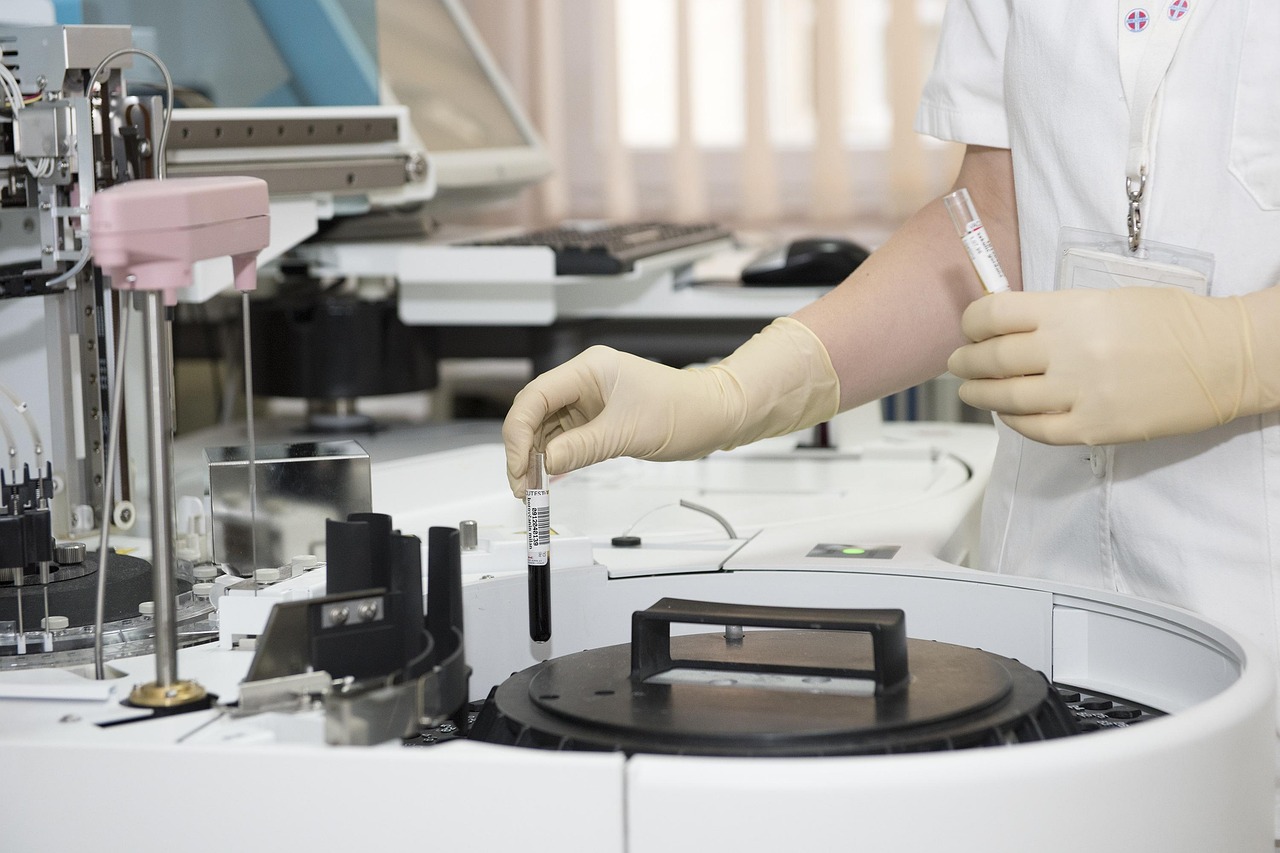
Efficient data preparation is a critical step in achieving successful Six Sigma initiatives within healthcare. This process involves cleaning, validating, and organizing data to ensure it is accurate, consistent, and ready for analysis. Poorly prepared data can lead to misleading interpretations and ineffective process improvements, undermining the entire Six Sigma project. A healthcare organization might incorrectly identify a long wait time as a process inefficiency if data about patient arrival times and treatment durations is scattered, incomplete, or incorrect.
A solid data cleaning strategy should include several key components. First, data source identification and data extraction are essential. This involves pinpointing all relevant data sources—such as electronic health records (EHRs), billing systems, and patient portals—and extracting the required data fields. Once the data is in hand, data validation becomes critical. This process ensures that the extracted data is accurate, complete, and consistent. Tools like Minitab, SPSS, or specialized data validation software can aid in identifying and correcting errors, missing values, and outliers. A healthcare provider might use SPSS to perform data imputation for missing values and identify outliers that could skew analysis.
Clinical data interpretation techniques play a key role in converting raw, cleaned data into actionable insights. This involves using statistical software and data visualization tools to uncover trends, correlations, and anomalies. Data visualization, in particular, can greatly enhance understanding by presenting complex data in a more accessible, visual format. Creating a timeline visualization of patient wait times using Power BI can quickly reveal trends and outliers that might otherwise go unnoticed in a table of raw data. Once the data is interpreted, the insights can be used to drive process improvements, such as optimizing staff scheduling to reduce wait times. Organizations like Process Improvement can provide expert guidance and tools for these critical steps, helping healthcare providers use their data to enhance patient care and operational efficiency.
How to effectively use data to reduce wait times is a prime example of the impact of efficient data analysis. By meticulously preparing and analyzing data, healthcare organizations can identify the root causes of long wait times, inefficiencies in scheduling, or staffing issues. This data-driven approach enables informed decisions that can lead to significant improvements in patient flow and overall operational efficiency. A hospital might discover that a particular department's wait times are significantly longer than others, prompting an investigation into staffing levels, equipment utilization, or process bottlenecks. Through this data-backed approach, the hospital can implement targeted solutions to reduce wait times, ultimately enhancing patient satisfaction and care quality.
Healthcare Data Analysis: Key Techniques

To successful Six Sigma initiatives within healthcare, efficient data cleaning stands as a critical non-negotiable step. The quality and consistency of data directly impact the reliability of analyses and, subsequently, the decisions made based on them. Consider a hospital aiming to implement a Six Sigma project to reduce medical errors. Data about patient admissions, procedures, and outcomes must be meticulously cleaned to ensure that every variable is accurately categorized, every entry is free from anomalies, and the dataset is free from redundancies. This foundational work, often taken for granted, is the bedrock upon which solid statistical analysis and process improvements rest.
Healthcare Data Analysis for Six Sigma encompasses a set of techniques designed to uncover insights and inefficiencies within healthcare systems. Quality control in clinical trials, for example, leverages data cleaning to ensure the integrity of patient data collected during trials, enabling researchers to draw accurate conclusions about the safety and efficacy of new treatments. Similarly, patient safety through data analytics hinges on clean, comprehensive datasets that allow healthcare providers to identify trends and patterns in patient outcomes, leading to more informed interventions. By applying these techniques, healthcare organizations can move beyond surface-level data analysis and examine the depths of their operations, uncovering areas for improvement and enhancing patient care.
The process of data cleaning involves several key steps. First, data is collected from various sources, often in disparate formats. This raw data then undergoes validation and cleansing to ensure accuracy and consistency. During this phase, outliers and errors are identified and corrected, missing values are addressed, and data is standardized. Software tools like Minitab, SPSS, or JMP play a key role in facilitating these tasks, offering solid data analysis capabilities and user-friendly interfaces. Once cleaned, the data is ready for advanced statistical analysis, which can then be used to drive Six Sigma projects aimed at optimizing processes, reducing medical errors, and ultimately improving patient outcomes.
leveraging data analytics for Six Sigma in healthcare offers a distinct advantage in the form of career development. Organizations like processinsight and consulting firms specializing in healthcare data analysis are witnessing a surge in demand. This trend underscores the importance of skilled professionals who can handle the complexities of healthcare data, extracting valuable insights and driving meaningful change. Those interested in pursuing a career in this field can find a wealth of resources, from online certifications to hands-on training, at accessible platforms like Data Analytics Career Paths in Healthcare. By embracing these advanced techniques, healthcare providers can raise their operations to new heights, ensuring that every patient receives the highest quality of care.
Implementing Quality Control in Cleaning
Implementing solid quality control (QC) measures during data cleaning is a critical step for successful healthcare data analysis within Six Sigma initiatives. It ensures that the data used for decision-making and process improvement is accurate, consistent, and reliable. The goal is to minimize errors and inconsistencies that can lead to misleading insights and potentially harmful outcomes, such as inaccurate patient trends analysis or flawed clinical data interpretation. A healthcare provider in a bustling metropolitan area might initially assume that longer wait times are due to higher patient volumes. However, without proper QC, this analysis could be skewed by data entry errors, leading to inefficient allocation of resources and potentially affecting patient safety through data analytics.
To establish effective QC, organizations should first define clear data cleaning standards and protocols tailored to their specific operational needs. This involves identifying critical data points, establishing validation rules, and implementing data validation tools. A hospital in a coastal city might prioritize validating patient demographics and ensuring accuracy in recording sensitive medical information like allergies and medication histories. Software like Minitab or SPSS can automate these checks, flagging potential errors for human review. Once data cleaning is complete, running parallel analyses using the cleaned data against the original, unchecked data can help identify any discrepancies. This "double-checking" method, a common practice in Six Sigma, ensures the integrity of the data used for subsequent analysis, including data visualization for clinical insights.
Beyond data validation, fostering a culture of continuous improvement and accountability is vital. Organizations should encourage employees to report any data inconsistencies or potential errors they encounter during their daily work. Implementing a system for tracking and resolving these issues can help identify recurring problems and highlight areas where additional training or process adjustments might be needed. A small clinic in a rural area might create a simple form for staff to report data cleaning issues, leading to a 20% reduction in medical errors over six months. Leveraging data security measures, such as access controls and encryption, is essential to protect sensitive patient information while ensuring that data cleaning processes remain efficient and secure, visiting us at healthcare data security measures anytime.
Finally, integrating QC into the data cleaning process should be viewed as an ongoing, iterative effort. As data collection methods evolve and new technologies emerge, such as Robotic Process Automation (RPA) or API integration, data cleaning and validation processes must adapt. Regular reviews and updates to QC protocols will ensure that healthcare data analysis for Six Sigma remains effective, patient-centric, and aligned with the latest advancements in reducing medical errors through data and improving overall operational excellence.
Measuring Success: Six Sigma Metrics

Efficient data cleaning is a cornerstone of successful the analysis initiatives, enabling organizations to make data-driven healthcare decisions with confidence. Measuring success in this context involves tracking key performance indicators (KPIs) that align with the core objectives of Six Sigma: reducing medical errors, improving patient safety, and optimizing operational efficiency. A hospital might set a goal to reduce prescription errors by 80% over six months, with a corresponding KPI of tracking the number of errors per 1,000 prescriptions, aiming for a decrease from 20 to 4.
A critical aspect of healthcare data analysis is addressing the unique challenges of medical data integration. Patient records often span multiple systems, departments, and even healthcare providers, making it complex to aggregate and analyze data accurately. Data visualization tools, such as Power BI or Google Data Studio, play a vital role here by enabling data analysts to create interactive dashboards that merge data from disparate sources, facilitating a complete view of patient trends and outcomes. These tools also allow for the rapid identification of anomalies, enabling faster corrective actions. A healthcare organization might use data visualization to uncover a sudden spike in readmission rates for heart patients, prompting a root cause analysis for medical errors that could be tied to a specific medication or procedural inconsistency.
Beyond traditional data cleaning processes, leveraging advanced technologies like Robotic Process Automation (RPA) can streamline data integration and analysis. RPA bots can be programmed to extract data from various sources, validate its accuracy, and populate it into an unified data warehouse, significantly reducing manual effort and minimizing errors. This level of automation not only enhances data quality but also allows analysts to focus on interpreting the data and deriving actionable insights, such as identifying the most effective treatment protocols or predicting patient outcomes. By combining efficient data cleaning practices with advanced tools and technologies, healthcare organizations can ensure their data-driven healthcare decisions are both accurate and timely, ultimately contributing to improved patient care and operational excellence.
Efficient data cleaning is a cornerstone of successful The analysis initiatives. By implementing solid strategies for data preparation, healthcare organizations can significantly enhance the accuracy and reliability of their analyses. Key techniques, such as those utilizing Statistical Software like Minitab and SPSS, empower professionals to identify and rectify errors, ensuring data integrity. Quality control measures, when integrated into the cleaning process, further solidify the quality of the data, leading to more precise and actionable insights.
The successful application of Six Sigma metrics allows organizations to objectively measure the effectiveness of their data cleaning efforts. These metrics provide a clear path to improvement, enabling healthcare providers to prioritize areas that need attention and celebrate achievements. By adopting these practices, healthcare professionals can transform raw data into valuable information, ultimately driving better patient outcomes and operational excellence.
Looking ahead, leveraging advanced tools like Robotic Process Automation (RPA) and API Integration promises to streamline data cleaning processes, making them more efficient and less resource-intensive. This, combined with the ongoing development of data mining tools, will continue to raise the capabilities of The analysis, ensuring its relevance in the evolving healthcare field.
Efficient data cleaning is important for successful healthcare data analysis in Six Sigma initiatives, ensuring accurate, reliable data for informed decision-making. Key benefits include:
- Error Reduction: Correcting inconsistencies and inaccuracies to prevent misdiagnoses, inappropriate treatments, and adverse events.
- Data Mining: Identifying patient trends, optimizing workflows, predicting wait times, and enhancing overall operational efficiency.
- Visual Analytics: Using tools like Power BI and Google Data Studio to track KPIs, identify anomalies, and facilitate quick corrective actions.
- Automation: Leveraging RPA to streamline data integration, analysis, and interpretation, enhancing data quality and enabling healthcare organizations to focus on actionable insights for improved patient care and operational excellence.