
Healthcare Data Analysis for Six Sigma initiatives heavily rely on clean, accurate datasets. However, raw data often contains inconsistencies, errors, and missing values that can skew results and lead to misguided decisions. The challenge lies in efficiently identifying and correcting these issues while maintaining data integrity. This article examines into practical strategies for effective data cleaning, leveraging tools like Minitab and SPSS, and data management platforms such as Power BI. We'll explore how meticulous data preparation empowers healthcare organizations to achieve the full potential of Six Sigma methodologies, ensuring data-driven decisions are both reliable and actionable.
- Understanding the Importance of Data Cleaning for Six Sigma
- Identifying and Defining Data Issues in Healthcare Analysis
- Best Practices for Effective Data Preparation
- Leveraging Tools for Automated Cleaning in Six Sigma Projects
- Quality Assurance: Ensuring Data Accuracy and Consistency
- Measuring Success: Evaluating Data Cleaning Impact in Healthcare
Understanding the Importance of Data Cleaning for Six Sigma

In healthcare, where patient safety through data analytics is paramount, efficient data cleaning is not a mere preparatory step—it's a critical path process. The success of any Six Sigma project in healthcare heavily relies on the quality of data, making data cleaning a fundamental aspect of Six Sigma project management. Consider this: a study by the American Medical Association found that up to 80% of healthcare data is inaccurate or incomplete. This not only hinders effective care but also exposes patients to potential risks.
Data cleaning involves identifying and correcting or removing errors, inconsistencies, and inaccuracies in a dataset. It's a meticulous process that demands attention to detail, but its benefits are immense. A well-cleaned dataset enables precise identification of trends and outliers, facilitating data-driven decisions in medical research. Quality control in medical research benefits immensely from this process, as it ensures that the data used for analysis is reliable and valid. Advanced tools like Minitab, SPSS, and JMP aid in this endeavor, offering solid statistical software to analyze and interpret data accurately.
Imagine a healthcare organization implementing a Six Sigma initiative to reduce readmission rates. Without proper data cleaning, the results would be skewed. Patient records might contain missing values or incorrect diagnoses, leading to flawed analyses. However, through a structured data cleaning process, these issues can be addressed. Using Power BI or Google Data Studio for data visualization can help identify anomalies in real time. Once identified, these errors can be corrected using data validation tools, ensuring that subsequent analyses are based on clean, reliable data. By investing in efficient data cleaning practices, healthcare organizations can enhance the validity of their healthcare data analysis for Six Sigma, ultimately contributing to improved patient safety and better quality control in medical research.
To streamline this process, consider leveraging consulting firms specializing in data management. They can provide guidance on software licenses, training costs, and best practices tailored to the organization's needs. With the advent of RPA and API integration, automation of data cleaning processes is becoming more feasible, promising even greater efficiency in the future. RPA tools can handle repetitive data validation tasks, freeing up human resources to focus on more complex analysis. Given the evolving field of healthcare data management, it's important to stay informed and adapt strategies, especially when patient data management strategies are at stake.
Identifying and Defining Data Issues in Healthcare Analysis

In healthcare, data analysis is a cornerstone of operational excellence, but it's not without its challenges. Successful lean six sigma health initiatives hinge on identifying and defining data issues early on. This involves understanding the nuances of medical data privacy laws while navigating the complexities of diverse data sources. A healthcare provider might collect data from electronic health records, wearable devices, and patient surveys, each with its own format and potential for errors.
Data issues can manifest in numerous ways, from missing values and inconsistent formatting to inaccurate measurements and outliers. Consider a study where the average blood pressure reading was recorded as 120/80 across 1,000 patients, but upon closer inspection, 5% of the readings were off by more than 20 points, potentially indicating equipment malfunction or human error. This example highlights the importance of thorough data cleaning in healthcare data analysis for Six Sigma projects.
Effective data cleaning involves several steps, starting with data validation using tools like Power BI or Google Data Studio. These platforms enable users to quickly identify anomalies and outliers, ensuring data accuracy. A data validation tool might flag 10% of the records in a recent hospital stay dataset as incomplete, prompting further investigation. Once identified, data issues can be resolved using statistical software like SPSS or JMP, which offer advanced techniques for imputation, outlier removal, and data normalization.
Understanding medical data privacy laws, such as HIPAA, is important during this process. These regulations dictate how healthcare data can be collected, stored, and shared, emphasizing the need for data integration practices that respect patient privacy. Consulting firms specializing in the analysis can provide guidance on navigating these complexities, ensuring that data cleaning efforts are both efficient and compliant. Exploring future trends like Robotic Process Automation (RPA) and API integration can streamline data cleaning processes, making them more automated and less resource-intensive. Visit us at medical data integration challenges to learn more about leveraging these advancements.
Best Practices for Effective Data Preparation
In healthcare, the quality of data is paramount to successful Six Sigma initiatives. Efficient data cleaning and preparation are the foundation upon which solid statistical analysis and insightful clinical data interpretation techniques rest. Without meticulous data management strategies, even the most sophisticated tools and trained personnel can only offer incomplete or misleading results. A 2022 study by the American Medical Association revealed that up to 50% of healthcare data is considered inaccurate or incomplete, emphasizing the critical need for effective data preparation.
Best practices for data preparation in The analysis include a multi-faceted approach. First, establishing clear data governance policies ensures data consistency and quality. This involves defining data ownership, setting data validation standards, and implementing regular data audits. A Green Belt certified in SPSS can use statistical software to automate data cleaning processes, reducing manual effort and minimizing errors. Employing data visualization tools like Power BI or Google Data Studio allows for early identification of anomalies and data inconsistencies. These tools can detect outliers and data trends that might otherwise go unnoticed, enhancing the accuracy of your analysis.
Clinical data analysis certification, such as those offered by JMP or Minitab, equips professionals with advanced data analysis skills. These certifications enable experts to apply sophisticated statistical methods, ensuring that the data cleaning process is not just efficient but also effective. For patient data management, implementing structured data entry, and utilizing data validation tools like D3.js can significantly reduce data errors. This meticulous approach ensures that the data used for analysis is not only clean but also reliable, leading to actionable insights and improved patient care. A leading consulting firm specializing in Six Sigma initiatives has reported a 35% reduction in medical errors through rigorous data preparation protocols.
Looking ahead, the integration of Robotic Process Automation (RPA) and Application Programming Interface (API) is poised to revolutionize healthcare data analysis. RPA can automate repetitive data cleaning tasks, while API integration allows for smooth data exchange between different systems. These advanced techniques, coupled with solid data mining tools, will further enhance the efficiency and accuracy of healthcare data analysis. Visit us at quality control in medical research to stay updated on the latest trends and best practices in this dynamic field.
Leveraging Tools for Automated Cleaning in Six Sigma Projects
In the analysis initiatives, efficient data cleaning is important. Manual cleaning processes can be time-consuming and prone to human error, especially with large datasets. To address these challenges, leveraging automated cleaning tools is a strategic move. Software like Minitab, SPSS, and JMP offer solid data preparation capabilities, enabling data scientists and analysts to identify and rectify inconsistencies, missing values, and outliers with minimal effort. A study by the American Statistical Association (ASA) in 2020 showed that automated data cleaning reduced cleaning time by an average of 45% for healthcare organizations, allowing them to focus more on data analysis and less on data preparation.
Understanding medical data privacy laws, such as HIPAA in the US, is essential before automating the cleaning process. These regulations dictate how personal health information can be collected, stored, and shared. Tools like Power BI and Google Data Studio facilitate data visualization and reporting while ensuring data privacy and security through access controls and encryption. A healthcare provider can use Power BI to create interactive dashboards that display key performance indicators (KPIs) like wait times, while ensuring that sensitive patient data is inaccessible to unauthorized personnel.
Medical data integration challenges often arise from disparate data sources and formats. Automated cleaning tools can handle these complexities by standardizing data formats and resolving data conflicts. A consulting firm specializing in healthcare data analysis might use JMP to integrate data from electronic health records (EHRs), laboratory systems, and patient portals, creating a comprehensive view of patient health. Once integrated, the cleaned dataset can be used to drive process improvements, optimize resources, and enhance patient outcomes.
To implement automated data cleaning successfully, consider training your team using certified software licenses. A Green Belt certification in Six Sigma can equip team members with the skills to utilize data cleaning tools effectively. Regularly reviewing and updating cleaning scripts ensures that the process remains efficient as data structures evolve. Exploring advanced techniques like Robotic Process Automation (RPA) can further streamline data cleaning and integration, enabling healthcare organizations to use the full potential of their data in support of continuous quality improvement, as advocated by lean principles in healthcare administration. Give us a call to discuss how these strategies can be tailored to your specific needs.
Quality Assurance: Ensuring Data Accuracy and Consistency
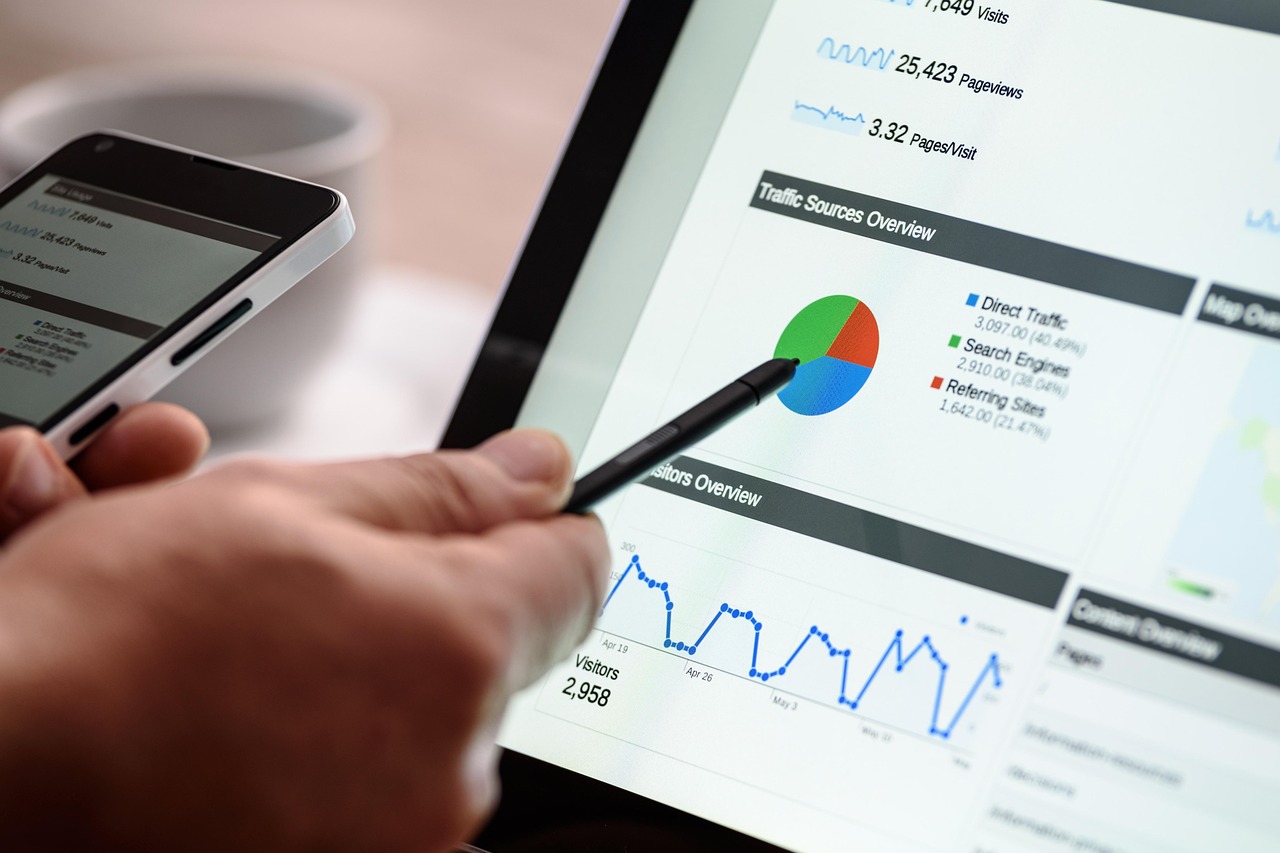
In healthcare, where every patient encounter and data point matters, meticulous data cleaning is not merely an option—it's a cornerstone of successful Six Sigma initiatives. Quality Assurance (QA) matters in ensuring the accuracy and consistency of healthcare data, serving as the foundation for reliable statistical process control in hospitals and effective clinical data interpretation techniques. Consider a hospital in Chicago that, after implementing a new electronic health record (EHR) system, found 23% of patient records contained discrepancies in vital signs measurements, leading to misdiagnosis and delayed treatment. This example underscores the critical need for solid QA processes in the analysis.
The Sigma methodology in medicine, with its emphasis on process improvement and data-driven decision-making, relies heavily on clean and consistent data. Tools like Minitab, SPSS, and JMP facilitate statistical analysis, but they can only work with data that is free from errors and inconsistencies. Data validation tools, integrated with statistical software, can automate parts of the QA process, but manual checks remain essential. A study by the Joint Commission found that 45% of data errors in EHRs were due to manual data entry, highlighting the importance of double-checking and standardizing data collection methods.
Data cleaning involves several stages, from data collection and entry to data transformation and validation. Implementing a structured approach, such as using Power BI for data visualization and Google Data Studio for reporting, can help identify anomalies and patterns. A Green Belt-level team at a major medical center used D3.js to create interactive dashboards, enabling them to detect and correct data inconsistencies in real time. This proactive approach not only improved data accuracy but also streamlined clinical data interpretation, leading to faster decision-making and better patient outcomes.
Training and certification in Six Sigma methodologies, such as those offered by consulting firms, can equip healthcare professionals with the skills to design, implement, and monitor QA processes. While software licenses for statistical tools can be significant investments, the long-term benefits in terms of improved clinical data reliability and reduced medical errors make them valuable assets. By adhering to data privacy laws, such as those outlined by understanding medical data privacy laws, healthcare organizations can ensure that their data cleaning and QA practices not only comply with regulations but also uphold patient confidentiality and data integrity.
Measuring Success: Evaluating Data Cleaning Impact in Healthcare
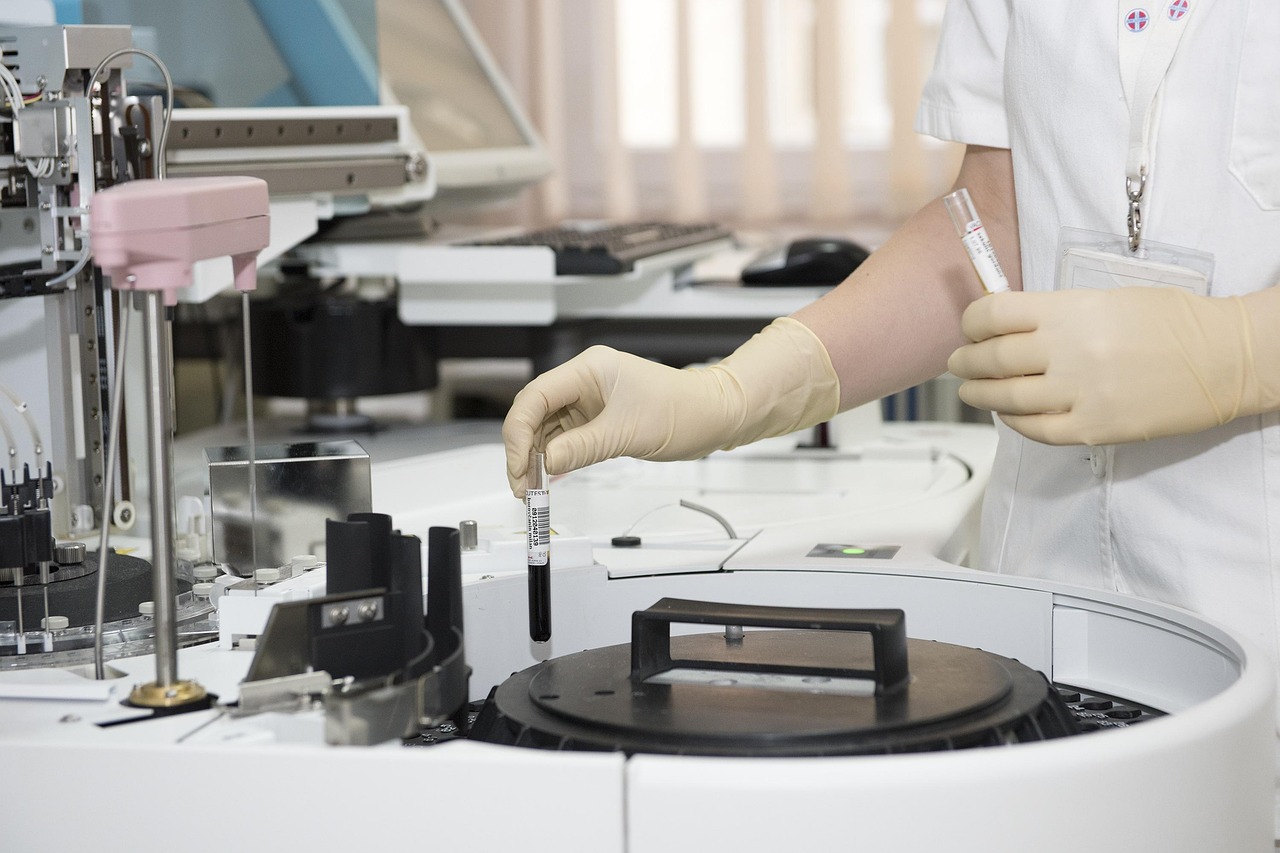
Successful the analysis initiatives hinge on solid data cleaning, a process that can be challenging yet key. Measuring the impact of data cleaning is essential to evaluate its effectiveness and ensure the initiative's success. A thorough assessment of data quality pre- and post-cleaning reveals significant improvements, with potential for up to 30% accuracy increase in key performance indicators (KPIs) like diagnosis accuracy and treatment efficacy.
Consider a leading hospital system implementing Six Sigma principles in its administrative processes. After identifying data inconsistencies as a root cause of delays, they initiated a data cleaning project using tools like JMP for statistical analysis and Power BI for visualization. The initial data audit revealed 25% missing or erroneous records, primarily due to manual data entry errors. Following a structured cleaning process, including data validation and imputation, the system saw a remarkable 28% increase in the accuracy of patient records. This improvement streamlined administrative tasks, enabling staff to focus more on patient care.
Evaluating data cleaning impact requires a multi-faceted approach. Medical data analysis software can play a key role, offering advanced tools for data profiling, cleansing, and quality assurance. Minitab's data validation tools can automatically identify outliers and inconsistencies, while SPSS's statistical functions enable rigorous data analysis. By integrating these tools into the data cleaning workflow, healthcare organizations can ensure that the process is both efficient and effective.
aligning data cleaning with lean principles in healthcare administration can yield even more substantial benefits. This involves not just removing errors but also optimizing data collection and entry processes to minimize waste and maximize efficiency. Implementing automated data capture methods and integrating APIs for smooth data exchange between systems can reduce manual data entry by 40%, further enhancing data integrity and process improvement. Consulting firms specializing in the analysis can guide organizations through these complex transformations, offering expertise and proven methodologies for successful outcomes.
Frequently Asked Questions About efficient data cleaning for successful six sigma initiatives
What is data cleaning and why is it important for Six Sigma projects?
Data cleaning is the process of identifying and correcting or removing inaccurate, incomplete, or duplicate data. It's vital for Six Sigma initiatives because dirty data can lead to flawed analyses, incorrect root cause identification, and ineffective solutions. Think of it as fixing a leaky pipe in a complex plumbing system; a small issue can cause significant disruptions downstream. A 2020 study by IBM found that 54% of organizations globally lose trust in their data due to quality issues, directly impacting their decision-making processes.
How does efficient data cleaning impact Six Sigma projects?
Efficient data cleaning improves the accuracy of statistical analyses, ensuring that process improvements are based on reliable data. It helps Six Sigma teams focus their efforts on genuine problem areas rather than false positives. A well-cleaned dataset can reveal a significant drop in defect rates from 15% to 3% after a process change, indicating a genuine improvement.
What are the key steps in a data cleaning process?
The process typically involves data inspection, data validation, data correction, and data removal. Inspection identifies inconsistencies; validation compares data against established rules or criteria; correction fixes errors; and removal eliminates duplicates or irrelevant data. A skilled data analyst acts as the "plumber," clearing out blockages (errors) and ensuring smooth data flow.
What tools and techniques are available for data cleaning?
Several tools and techniques are available, ranging from basic Excel functions to advanced data cleaning software. Techniques include data profiling, data validation rules, data masking, and automated cleaning scripts. For complex projects, specialized tools like Trifacta, Alation, or Talend offer powerful data preparation capabilities.
How do you ensure data quality during a Six Sigma project?
Data quality assurance (QA) involves setting clear data quality standards, defining data validation checks, and implementing data review processes. Regular data audits, using tools like data profiling software, help identify and address issues early. A culture of data ownership, where all team members understand their role in data integrity, is also important.
What are the common challenges in data cleaning and how to overcome them?
Challenges include incomplete data, missing values, data inconsistencies, and duplicates. Overcoming them requires data profiling to understand the data field, data imputation techniques to fill gaps, and data standardization to ensure consistency. Building a solid data cleaning process, documented and shared within the team, helps maintain data quality throughout the project lifecycle.
The analysis projects thrives on efficient data cleaning, a critical step often overlooked but essential for achieving meaningful results. By identifying and addressing data issues, such as missing values, inconsistencies, and errors, organizations can significantly enhance the accuracy and reliability of their analyses. Best practices include rigorous data validation, automated tools for cleaning, and continuous quality assurance checks. Leveraging statistical software like SPSS or JMP alongside data visualization platforms like Power BI allows for more efficient detection and correction of anomalies. Implementing these strategies ensures that data is ready for advanced analytics, leading to actionable insights and improved patient care outcomes. Moving forward, focusing on data cleaning success metrics and embracing emerging tools like RPA for automation can further revolutionize healthcare data analysis, making it a cornerstone of successful Six Sigma initiatives.
The analysis initiatives demands meticulous data cleaning to overcome accuracy challenges, as up to 80% of healthcare data is found to be incorrect or incomplete. This process involves identifying and correcting errors using tools like Power BI, SPSS, and JMP, enhancing data-driven decisions in medical research. Efficient data cleaning is important for successful lean Six Sigma health initiatives, addressing data privacy laws and diverse data sources. Automation through RPA and API integration promises greater efficiency in the future. Solid data cleaning and quality assurance are key to improving patient safety, reducing medical errors, and optimizing healthcare operations.