
In the rapidly evolving healthcare sector, efficient Healthcare Data Analysis for Six Sigma is no longer an option but a necessity. The ability to harness data effectively drives informed decision-making, improves patient outcomes, and optimizes operational efficiency. However, navigating the complex landscape of tools, techniques, and best practices for Six Sigma data analysis can be daunting. This article provides a comprehensive guide to mastering Healthcare Data Analysis for Six Sigma. We explore top tools, training courses, visualization platforms, and data management solutions. Through practical insights on data cleaning, governance, automation, AI integration, and dashboard creation, readers will gain the knowledge needed to enhance data quality control, interpret complex datasets, and drive successful Six Sigma initiatives. By the end, you'll be equipped with the strategies and resources to transform your healthcare organization through data-driven excellence.
- Healthcare Data Analysis: Tools & Techniques for Six Sigma
- Mastering Six Sigma: Training, Team Building & Automation
- Enhancing Data Accuracy & Decision Making with Advanced Methods
Healthcare Data Analysis: Tools & Techniques for Six Sigma

Healthcare Data Analysis is a cornerstone of Six Sigma initiatives within the medical sector, driving patient safety through data-driven decisions. To optimize this process, healthcare professionals must leverage robust tools and employ effective techniques. Several platforms offer advanced features for efficient healthcare data visualization, such as Tableau and Power BI, enabling users to uncover intricate trends and patterns.
Mastering specific Six Sigma data analysis training courses is crucial for healthcare providers looking to implement these methodologies effectively. These courses equip practitioners with the skills to navigate complex datasets, ensuring they can accurately interpret insights related to medical record keeping best practices. For instance, automation of data collection processes using APIs or ETL tools streamlines workflow and reduces manual effort, allowing teams to focus on value-added tasks.
Implementing Six Sigma principles necessitates a structured approach to data management. Reputable solutions like IBM Watson and SAS provide comprehensive platforms for data mining, cleaning, and governance—essential components for achieving high-quality results in healthcare data analysis. These tools facilitate the identification and correction of errors in medical records, enhancing overall data integrity.
Successful Six Sigma case studies in healthcare demonstrate substantial improvements in patient outcomes when data is harnessed effectively. For instance, a study by Johnson & Johnson highlighted a 20% reduction in readmission rates through data-driven interventions focused on identifying at-risk patients. To stay ahead of the curve, healthcare professionals should explore top trends like AI integration for predictive analytics and real-time dashboard creation using tools like Microsoft Power BI. By embracing these technologies and adhering to best practices, healthcare organizations can elevate their data analysis capabilities, ultimately enhancing patient safety through data-driven decisions, as exemplified by the success of Six Sigma methodologies in various sectors. Find us at data-driven healthcare decisions for more insights.
Mastering Six Sigma: Training, Team Building & Automation
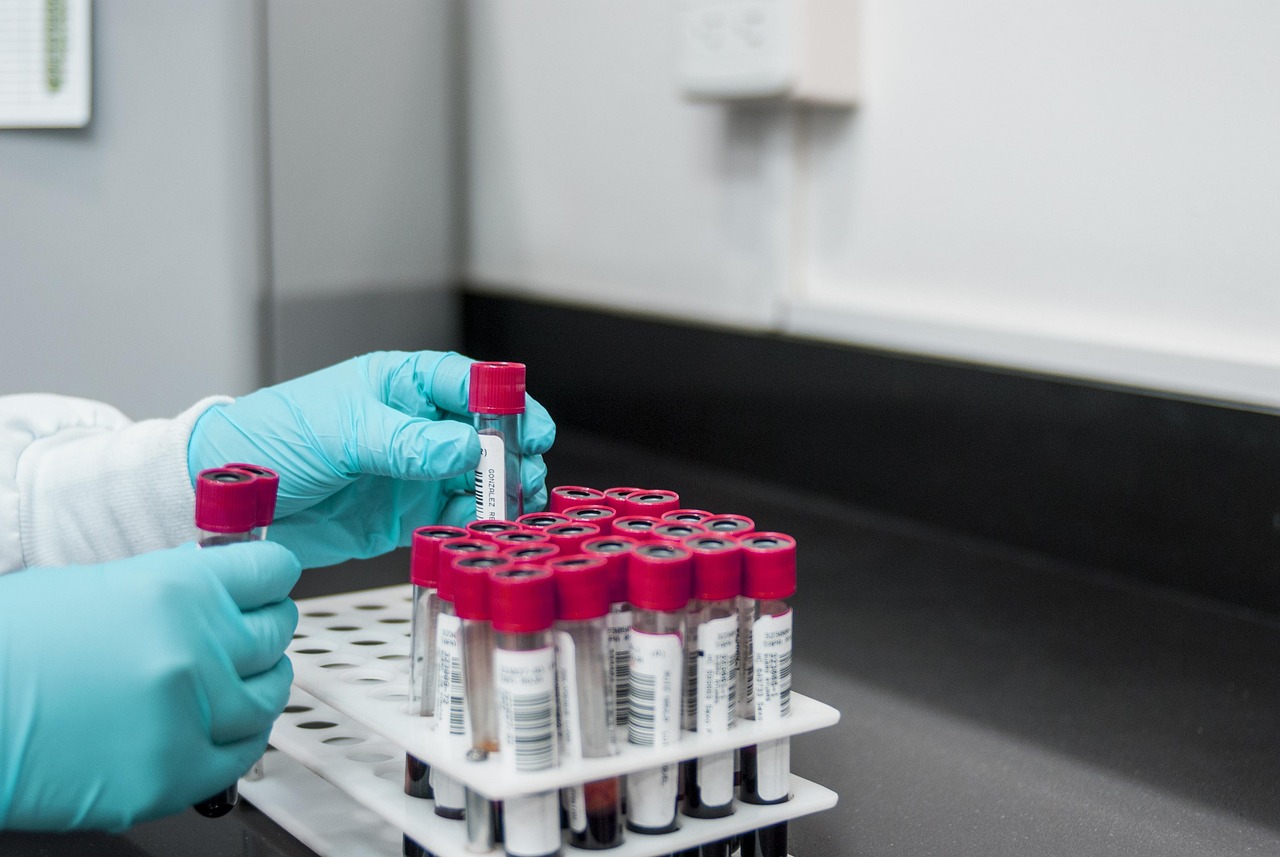
Mastering Six Sigma in healthcare data analysis involves a multifaceted approach that combines rigorous training, strategic team building, and efficient automation practices. For organizations seeking to optimize their healthcare data analysis for Six Sigma, investing in comprehensive training programs is paramount. These initiatives ensure analysts are equipped with advanced skills in data interpretation, statistical analysis, and process improvement methodologies. One popular certification, such as the Yellow Belt or Black Belt program, provides a structured framework for understanding complex data sets and applying Six Sigma principles effectively.
Building a high-performing Six Sigma data team is crucial to achieving breakthrough results in healthcare. This involves not only recruiting skilled analysts but also fostering a collaborative environment where continuous learning and knowledge sharing thrive. Encouraging cross-functional collaboration between data experts, clinical professionals, and quality assurance specialists ensures that insights derived from data are both accurate and actionable. For instance, integrating clinical expertise with statistical rigor enhances the validity of findings, leading to more informed decision-making processes.
Automation plays a pivotal role in enhancing efficiency and accuracy in healthcare data analysis for Six Sigma initiatives. Leveraging tools designed for automated data collection, cleaning, and visualization can significantly streamline workflows. Artificial Intelligence (AI) algorithms, for example, can automate pattern recognition, identify anomalies, and provide real-time insights, accelerating the data-driven decision-making process. Platforms that offer intuitive dashboards and customizable reporting capabilities enable stakeholders to monitor key performance indicators (KPIs) effectively, facilitating proactive problem resolution.
To harness the full potential of Six Sigma in healthcare, consider visiting us at medical data analysis tools and software. Our solutions are tailored to support efficient coding and data entry practices, ensuring data integrity and quality. By integrating advanced analytics capabilities with user-friendly interfaces, we empower healthcare professionals to unlock valuable insights from their data, enabling them to navigate the complexities of modern healthcare with confidence. Ultimately, mastering Six Sigma in healthcare data analysis is a journey that combines rigorous training, strategic team building, and automation—all geared towards enhancing patient care through data-backed decision making.
Enhancing Data Accuracy & Decision Making with Advanced Methods
Healthcare data analysis is a cornerstone of Six Sigma initiatives in medicine, aiming to enhance patient outcomes and operational efficiency. To optimize healthcare data analysis for Six Sigma, organizations must prioritize data accuracy and quality control, as faulty data can lead to misinformed decisions. Comparing Six Sigma vs Lean methodologies, both approaches emphasize data-driven decision-making, but Six Sigma, with its stringent focus on process improvement, demands rigorous data validation and error correction. Clinical data analysis certification programs equip healthcare professionals with the skills to interpret complex medical datasets effectively.
Enhancing data accuracy involves multiple advanced methods. Efficient data cleaning is crucial for successful Six Sigma initiatives, ensuring that data is complete, consistent, and accurate. This includes validating patient demographics, medical histories, and lab results against established norms and known data sources. Quality control in medical research, a key aspect of Six Sigma, involves regular audits and comparisons against gold standards. For instance, using statistical process control (SPC) charts to monitor key performance indicators (KPIs) can identify trends and anomalies, enabling timely corrective actions.
Beyond data cleaning and quality control, leveraging advanced analytics tools, such as AI and machine learning, can significantly improve decision-making. AI algorithms can uncover hidden patterns in large datasets, enabling predictive modeling and personalized treatment plans. For example, natural language processing (NLP) can analyze clinical notes and patient records to extract valuable insights that might otherwise be overlooked. To implement these advanced methods effectively, healthcare organizations should invest in top healthcare data visualization platforms and data analysis software, ensuring they meet the unique needs of medical data analysis. Visiting us at best practices for medical data management can provide further insights into navigating these tools and techniques for optimal healthcare data analysis in a Six Sigma context.
Healthcare Data Analysis for Six Sigma offers a comprehensive toolkit for organizations to enhance their operational efficiency and patient outcomes. By leveraging advanced tools and techniques covered in this article, professionals can navigate the complex healthcare landscape with improved data accuracy and informed decision-making. Key takeaways include the importance of mastering data mining, efficient data cleaning, and implementing real-time analytics for successful Six Sigma initiatives. Training data analysts and building high-performing teams are essential steps to ensure data integrity and drive meaningful improvements. Additionally, exploring top platforms for visualization, automation tools, and cost-effective solutions empower healthcare providers to stay ahead in the digital era, making 2023 a year of transformative progress in healthcare data analytics.
Healthcare Data Analysis for Six Sigma:
Six Sigma initiatives in healthcare hinge on robust data analysis using tools like Tableau, Power BI, IBM Watson, and SAS. Effective training, team building, and automation are key to success. Certification programs teach advanced skills in data interpretation and process improvement. Cross-functional collaboration and AI integration enhance accuracy and efficiency. Quality control through audits and SPC charts is vital for data integrity. Best practices in medical data management support predictive analytics and personalized care, ultimately improving patient outcomes.