
In the digital age, healthcare data analysis has emerged as a critical component of delivering high-quality, efficient, and cost-effective patient care. As healthcare systems generate vast amounts of data, effectively analyzing this information to drive informed decision-making becomes a paramount challenge. This article delves into the top challenges faced in healthcare data analysis, including data integrity, interoperability, and the integration of advanced analytics techniques like Six Sigma methodologies. We will explore innovative solutions that not only enhance the accuracy and accessibility of healthcare data but also optimize processes for improved patient outcomes.
- Unveiling Common Challenges in Healthcare Data Analysis
- Implementing Six Sigma Principles for Data-Driven Solutions
- Empowering Healthcare with Advanced Data Analysis Techniques
Unveiling Common Challenges in Healthcare Data Analysis

The landscape of healthcare data analysis is dynamic and complex, presenting unique challenges that demand innovative solutions. As healthcare systems increasingly rely on data-driven insights, understanding and overcoming these hurdles becomes crucial for optimizing patient outcomes and enhancing overall healthcare delivery. One of the primary challenges in healthcare data analysis is the integration and harmonization of diverse data sources. Electronic health records, wearable devices, clinical trials, and administrative data all generate valuable information, but merging and analyzing them in a meaningful way can be intricate. This complexity arises from differing data formats, terminologies, and quality standards, which require sophisticated data preprocessing and standardization techniques.
Another significant challenge lies in ensuring data quality and integrity throughout six sigma project management in healthcare. Inaccurate, incomplete, or inconsistently recorded data can lead to misleading analyses and subsequent poor decision-making. For instance, misclassification errors in patient data or missing values in vital signs can skew the results of risk assessment models, potentially compromising patient safety. Robust data validation and cleaning processes, along with continuous monitoring, are essential to mitigate these issues. Leveraging advanced analytics techniques, such as machine learning algorithms, can help identify and rectify data inconsistencies, thereby enhancing the reliability of healthcare data analysis.
Moreover, the ethical and legal aspects of healthcare data analysis cannot be overlooked. Protecting patient privacy and ensuring informed consent are paramount, especially with the increasing use of sensitive patient data for research and clinical decision support. Adhering to stringent regulations, such as HIPAA in the US, requires meticulous data governance practices and secure data storage infrastructure. Organizations must also foster a culture of transparency and trust among patients and healthcare professionals regarding data utilization, ensuring buy-in for data-driven initiatives. By addressing these common challenges through comprehensive strategies, healthcare organizations can harness the full potential of healthcare data analysis, ultimately driving improvements in patient safety through data analytics and enhancing the overall quality of care.
Implementing Six Sigma Principles for Data-Driven Solutions
The implementation of Six Sigma principles offers a robust framework for healthcare organizations to enhance their data-driven decision-making capabilities. Healthcare data analysis for Six Sigma involves a meticulous process of identifying inefficiencies, reducing variations, and improving overall quality within healthcare systems. By applying these lean six sigma health initiatives, institutions can streamline workflows, optimize patient care processes, and ultimately improve clinical outcomes. For instance, a study by the American Journal of Managed Care revealed that implementing Six Sigma methodologies led to significant reductions in readmission rates for chronic conditions.
Navigating the complex landscape of healthcare data requires a deep understanding of medical data privacy laws, such as HIPAA in the US. Ensuring compliance while leveraging data for improvement poses a significant challenge. Organizations must strike a delicate balance between sharing data for analytical purposes and protecting patient confidentiality. Robust data governance policies and secure data storage solutions are paramount to maintaining trust and adhering to legal requirements. For example, de-identification techniques can be employed to anonymize patient records, enabling analysis while preserving privacy.
Quality control in clinical trials is another critical aspect where Six Sigma methodologies shine. By implementing rigorous quality controls, healthcare researchers can ensure the accuracy and reliability of trial data. This includes meticulous data validation processes, regular monitoring for errors or inconsistencies, and establishing clear guidelines for data entry and management. These measures not only enhance the integrity of clinical research but also facilitate data-backed healthcare decision-making. Organizations can find us at data-backed healthcare decision making by embracing these principles and fostering a culture that prioritizes evidence-based practices over anecdotal insights.
Empowering Healthcare with Advanced Data Analysis Techniques
Healthcare Data Analysis stands as a cornerstone for achieving Six Sigma excellence within healthcare systems, empowering professionals to make data-driven decisions and ultimately optimize patient outcomes. However, navigating this landscape presents unique challenges, from complex data visualization to the intricate process of clinical data interpretation. This section delves into these obstacles and explores innovative solutions that can revolutionize healthcare delivery.
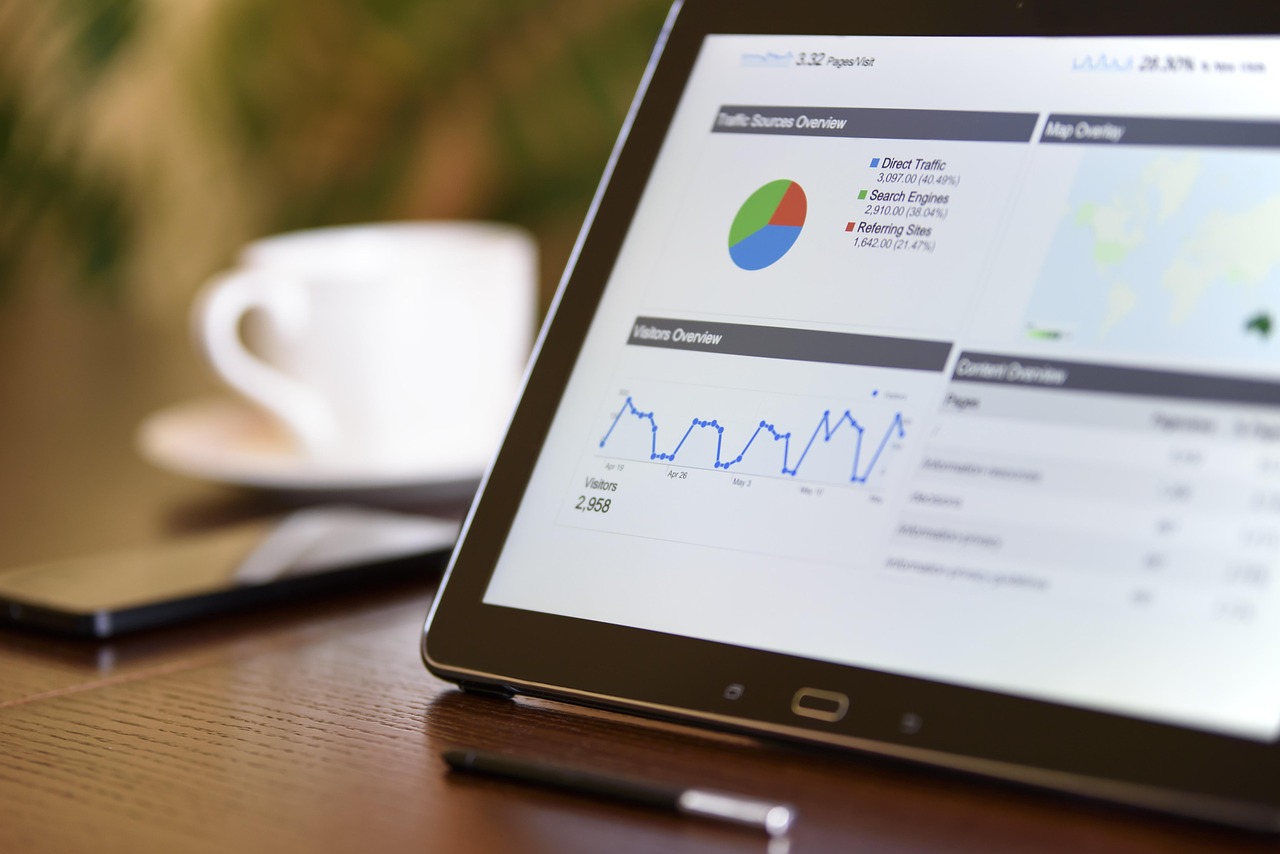
One of the primary hurdles is the vastness and diversity of healthcare data. Patient records, medical imaging, research findings—all contribute to a rich but intricate dataset. Effective analysis requires sophisticated tools capable of integrating and interpreting this complex tapestry. Advanced data visualization techniques emerge as a powerful solution, transforming raw numbers into insightful graphs and charts that reveal trends and patterns. For instance, interactive dashboards can provide real-time clinical insights, enabling healthcare providers to make prompt, evidence-based decisions at the point of care. By visualizing patient demographics, treatment outcomes, and risk factors, healthcare organizations can identify areas for improvement and tailor their services accordingly.
Moreover, mastering clinical data interpretation techniques is crucial for extracting actionable intelligence from these datasets. Healthcare professionals must develop expertise in understanding statistical analyses, predictive modeling, and machine learning algorithms. These skills enable them to leverage the full potential of data analysis, identifying correlations that may indicate new treatment protocols or risk factors. For example, through advanced analytics, researchers can uncover hidden patterns in patient populations, leading to more personalized medicine approaches. This precision in understanding and interpreting data directly contributes to enhanced patient outcomes and efficient resource allocation.
To harness these benefits, healthcare institutions should invest in specialized training programs for their staff. Workshops focused on data visualization for clinical insights can empower medical professionals to communicate complex data effectively. Additionally, fostering a culture of continuous learning ensures that staff stay abreast of emerging analytical techniques. Visit us at [Brand/Website] for more insights into clinical data interpretation techniques and discover how these advancements can transform healthcare delivery, ultimately benefiting patients worldwide.
In tackling the top challenges in healthcare data analysis, implementing Six Sigma principles offers a robust framework for achieving data-driven solutions. By adopting these principles, healthcare organizations can streamline processes, enhance accuracy, and improve patient outcomes through effective decision-making based on reliable data. Advanced data analysis techniques further empower healthcare providers to uncover insights hidden within complex datasets, enabling them to deliver personalized care, optimize resource allocation, and stay at the forefront of medical innovation. Synthesizing these key insights, healthcare data analysis for Six Sigma presents a powerful approach to revolutionize patient care and ultimately improve overall public health.
Healthcare Data Analysis for Six Sigma:
The dynamic nature of healthcare data presents complex challenges, including diverse data sources, data quality issues, ethical concerns, and intricate analysis. Solutions involve sophisticated data integration, advanced analytics, robust data validation, secure data storage, and compliance with regulations like HIPAA. Six Sigma methodologies offer a framework to optimize patient care, reduce variations, and improve clinical outcomes by streamlining workflows and enhancing data-driven decision-making.
Key strategies include:
1. Data Integration & Visualization: Advanced tools for integrating diverse healthcare datasets and transforming them into insightful visualizations to uncover trends and patterns.
2. Clinical Data Interpretation: Developing expertise in statistical analysis, predictive modeling, and machine learning to extract actionable intelligence from data.
3. Quality Control & Compliance: Implementing rigorous quality controls, de-identification techniques, and secure data governance policies to ensure data integrity and patient privacy.