
In the digital age, healthcare data analysis has emerged as a cornerstone for improving patient care and optimizing operational efficiency through Six Sigma methodologies. However, navigating the complex landscape of healthcare data presents significant challenges—from data quality issues and interoperability problems to regulatory compliance and privacy concerns. These obstacles impede the full potential of data-driven insights, hindering progress in precision medicine, clinical decision support, and population health management. This article delves into the top challenges plaguing healthcare data analysis and explores innovative solutions that leverage advanced analytics tools, robust data governance frameworks, and a commitment to continuous improvement, paving the way for a more efficient and effective healthcare system.
- Uncovering Data Barriers: Challenges and Their Impact on Healthcare
- Six Sigma in Action: Applying Data Analysis for Process Improvement
- Empowering Solutions: Advanced Techniques for Healthcare Data Analysis
Uncovering Data Barriers: Challenges and Their Impact on Healthcare

In healthcare, the potential for data-backed decision-making is immense, yet many organizations struggle to unlock its full power. Uncovering and addressing data barriers is a critical step in enhancing healthcare data analysis for Six Sigma initiatives. These barriers can manifest as a result of various factors, including fragmented data sources, inconsistent data quality, and a lack of standardized analytics tools. For instance, a hospital network with multiple departments and external partners may face challenges in consolidating patient records, leading to incomplete and inconsistent data for analysis.
One significant impact of these data barriers is hindered clinical data analysis, which is vital for optimizing patient outcomes and streamlining operational efficiency through lean Six Sigma health initiatives. Inaccurate or incomplete data can result in misinformed decisions, potentially harming patient care and increasing costs. For example, a clinical data analysis certification program might highlight the importance of data normalization and cleaning techniques to ensure that statistical analyses accurately reflect the patient population under study. Without robust data preparation, even the most sophisticated analytics tools may yield misleading insights.
To overcome these challenges, healthcare organizations should prioritize data standardization and interoperability. Implementing data governance frameworks and adopting standardized data models can facilitate seamless data sharing and analysis. Additionally, investing in user-friendly analytics platforms that integrate with existing healthcare systems can empower clinical and non-clinical staff to participate in data-backed healthcare decision-making. For instance, organizations can explore tools that enable intuitive data visualization, enabling stakeholders to quickly identify trends and patterns. By visiting us at quality control in medical research, professionals can gain access to resources and expertise tailored to their data analysis needs, fostering a culture of evidence-based practice.
Six Sigma in Action: Applying Data Analysis for Process Improvement
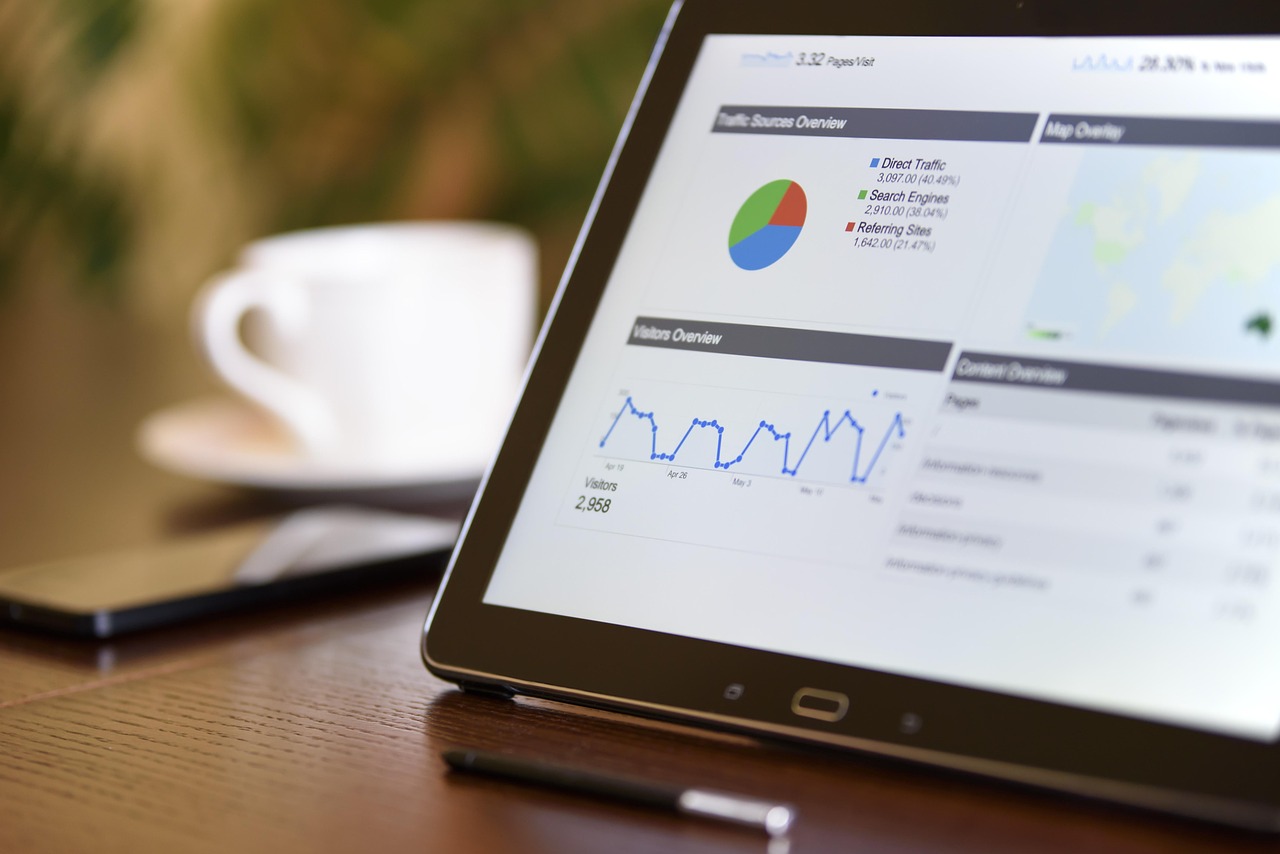
Healthcare data analysis plays a pivotal role in enhancing patient outcomes and optimizing healthcare operations. However, leveraging its full potential is fraught with challenges, especially when integrating vast amounts of medical data from disparate sources. The complexity intensifies in healthcare organizations striving for Six Sigma excellence, where every process must be meticulously fine-tuned. One of the primary hurdles is ensuring healthcare data quality assurance, as incomplete, inaccurate, or inconsistent data can lead to erroneous analyses and subsequently, poor decision-making. For instance, a study by the American Journal of Healthcare Management revealed that up to 25% of medical records contain errors, underscoring the critical need for robust data cleaning and validation processes before feeding them into Six Sigma analysis tools.
To address these challenges, implementing structured medical data integration strategies becomes essential. Organizations should adopt a master data management (MDM) approach to create a single source of truth for patient information, ensuring consistency across various systems. This integrated view allows for comprehensive clinical data analysis, enabling healthcare professionals to identify trends, pinpoint inefficiencies, and implement targeted improvements. For example, statistical process control in hospitals can leverage integrated data to monitor key performance indicators (KPIs), such as waiting times and readmission rates, facilitating real-time adjustments to clinical workflows.
Moreover, investing in clinical data analysis certification for staff can empower healthcare teams to interpret complex data insights accurately. Specialized training equips employees with the skills to apply Six Sigma methodologies, fostering a culture of data-driven decision-making. As the healthcare landscape continues to evolve, organizations that effectively harness the power of healthcare data analysis through these strategies will be better positioned to navigate the complexities, enhance patient care, and ultimately achieve Six Sigma levels of operational excellence.
Empowering Solutions: Advanced Techniques for Healthcare Data Analysis

Healthcare Data Analysis faces significant challenges, yet advanced techniques offer empowering solutions. One of the primary hurdles is the vast volume and complexity of patient data, often encompassing diverse sources like electronic health records (EHRs), wearable devices, and clinical trials. Integrating this heterogenous data for meaningful insights demands sophisticated analytics tools and expertise in healthcare data analysis. For instance, optimizing patient outcomes analysis can be transformed by leveraging machine learning algorithms to identify patterns hidden within these datasets, enabling more precise diagnostics and personalized treatment plans.
Six Sigma principles play a pivotal role in enhancing the accuracy and efficiency of healthcare data analysis. Implementing Six Sigma training for healthcare professionals equips them with robust problem-solving tools, such as root cause analysis for medical errors. By focusing on process improvement and data-driven decision making, healthcare organizations can achieve remarkable gains in workflow efficiency, potentially improving hospital operations by 15-30%. For example, a study conducted by the American Journal of Medical Quality found that adopting Six Sigma methodologies led to significant reductions in medical errors and increased patient satisfaction.
Advanced techniques like predictive analytics further strengthen healthcare data analysis. By forecasting patient outcomes based on historical data and current trends, healthcare providers can proactively manage chronic conditions, reduce readmission rates, and enhance overall quality of care. Moreover, integrating real-time data feeds from IoT devices enables continuous monitoring, allowing for timely interventions and more effective resource allocation. As the landscape of healthcare data analysis evolves, organizations must prioritize investment in cutting-edge technologies and specialized training to stay ahead. Visit us at [Brand/Website] to explore how these empowering solutions can revolutionize your healthcare data analysis practices.
In tackling the top challenges in healthcare data analysis, this article has illuminated critical barriers hindering effective decision-making. Key insights highlight the need for robust data infrastructure, emphasizing the transformative power of Six Sigma methodologies in improving processes and patient outcomes. Advanced techniques, such as leveraging machine learning and AI, emerge as powerful tools to unravel complex datasets. By embracing these solutions, healthcare organizations can harness the full potential of Healthcare Data Analysis for Six Sigma, fostering a culture of data-driven excellence that benefits patients, providers, and the industry at large. This comprehensive guide equips readers with actionable knowledge to navigate the landscape of healthcare data effectively.
1. Healthcare Data Analysis for Six Sigma faces challenges from fragmented data sources, inconsistent quality, and lack of standardized tools.
2. Data barriers hinder clinical analysis, impacting patient outcomes and operational efficiency.
3. Data standardization, interoperability, and user-friendly analytics platforms are crucial solutions.
4. Implementing data governance frameworks and adopting standardized data models facilitate data sharing and analysis.
5. Clinical data analysis certification equips staff with skills to interpret complex insights accurately through Six Sigma methodologies.
6. Advanced techniques like machine learning, predictive analytics, and IoT integration offer powerful tools for enhancing patient care and operational improvements.
7. Investing in cutting-edge technologies and specialized training is essential to stay ahead in the evolving healthcare data analysis landscape.