
In the digital age, Healthcare Data Analysis for Six Sigma has emerged as a powerful strategy to enhance patient care and operational efficiency. By leveraging data-driven insights, healthcare organizations can identify inefficiencies, reduce costs, and improve outcomes. However, navigating the vast landscape of tools and techniques presents a challenge. This comprehensive guide addresses the problem of optimizing healthcare data analysis within the Six Sigma framework, offering a roadmap for professionals seeking to transform raw data into actionable intelligence. We explore best practices, top tools, certification programs, and case studies, providing valuable insights for successful implementation. Prepare to delve into the world of advanced analytics, discover cutting-edge technologies, and unlock the full potential of your healthcare data through Six Sigma methodologies.
- Mastering Healthcare Data Analysis Tools for Six Sigma
- Enhancing Data Quality and Accuracy in Six Sigma Projects
- Implement Real-Time Analytics for Rapid Six Sigma Improvements
Mastering Healthcare Data Analysis Tools for Six Sigma
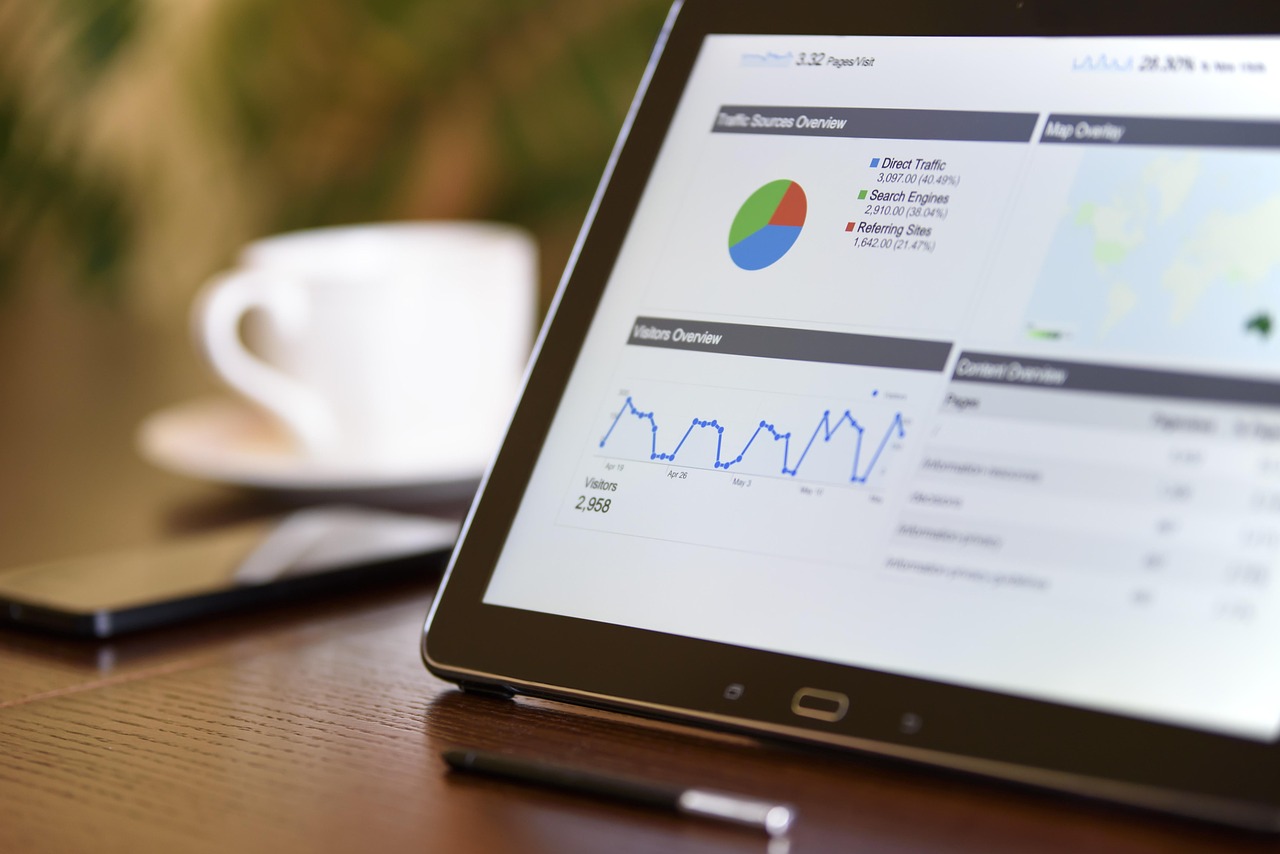
Healthcare data analysis is a cornerstone of Six Sigma initiatives aimed at optimizing patient outcomes. When it comes to mastering healthcare data analysis for Six Sigma, selecting the right tools and implementing best practices for medical data management are critical. Top platforms like Tableau and Power BI offer robust data visualization capabilities, enabling healthcare professionals to uncover clinical insights from complex datasets, ultimately guiding evidence-based decision-making.
Beyond visualization, specialized software designed for healthcare data analysis facilitates efficient data cleaning, error detection, and quality control – essential steps in ensuring data integrity. These tools often incorporate advanced algorithms that automatically identify anomalies and inconsistencies, significantly reducing the risk of errors in patient records. For instance, a study by the Journal of Medical Internet Research found that automated data validation processes improved data accuracy by 35% in clinical trials.
To ensure optimal results, organizations should prioritize training their data analysts on Six Sigma methodologies and implementing data governance best practices. This includes establishing clear data ownership, defining standardized data definitions, and regularly auditing data quality. By combining these strategies with the right tools, healthcare providers can achieve remarkable improvements in patient outcomes, enhance operational efficiency, and elevate the overall quality of care. Give us a call at healthcare data quality assurance to learn more about implementing these best practices for your organization.
Enhancing Data Quality and Accuracy in Six Sigma Projects
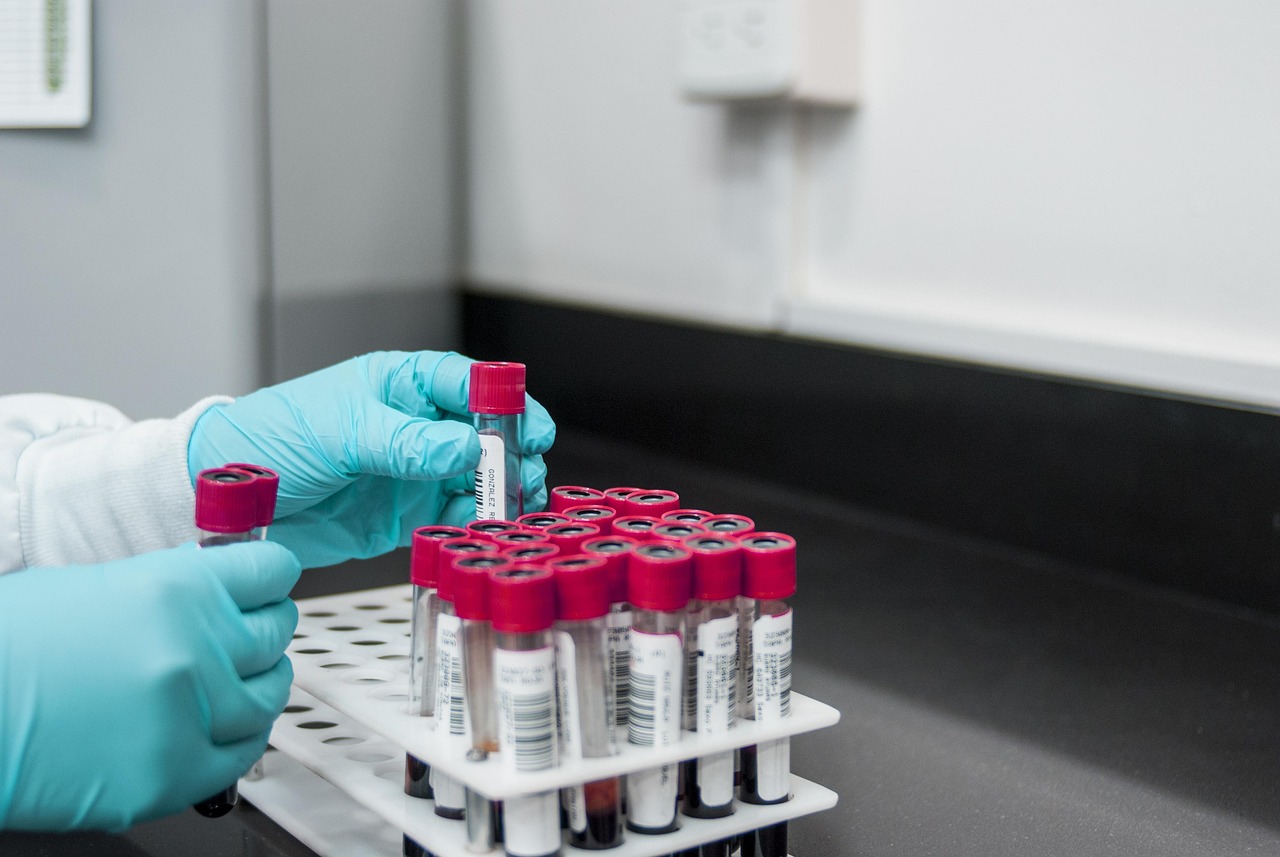
Enhancing healthcare data quality is a cornerstone of successful Six Sigma projects within this sector. Accurate data forms the foundation for informed decision-making, process improvement, and error reduction strategies for healthcare providers. Implementing robust data management practices can lead to significant improvements in hospital workflow efficiency, patient outcomes, and operational costs.
A key aspect of achieving high-quality healthcare data analysis for Six Sigma is meticulous data cleaning. This process involves identifying and correcting or removing errors, inconsistencies, and duplicates to ensure data integrity. Automated tools that leverage artificial intelligence (AI) can play a crucial role in streamlining this task, enabling analysts to focus on more complex aspects of the project. For instance, AI algorithms can detect anomalies, standardize formats, and validate data against predefined rules, significantly reducing manual effort.
Beyond error reduction, data mining healthcare solutions offer powerful insights for process optimization. By analyzing large datasets, organizations can identify trends, correlations, and outliers that drive decision-making. Consider a hospital using data mining techniques to uncover patterns in patient readmission rates across different units—this knowledge could lead to targeted interventions and improved care coordination, ultimately enhancing patient satisfaction and outcomes.
To ensure sustained quality, healthcare institutions should embrace a culture of continuous improvement. This includes regular audits, staff training on data entry practices, and the adoption of standardized data collection methods. By integrating these strategies into daily operations, organizations can maintain high-quality data for Six Sigma initiatives while fostering an environment where data integrity is a shared responsibility. Remember, find us at patient data management strategies for more insights tailored to enhancing healthcare delivery through advanced data analytics.
Implement Real-Time Analytics for Rapid Six Sigma Improvements

Implementing real-time analytics is a powerful strategy to accelerate improvements in healthcare data analysis for Six Sigma initiatives. By leveraging advanced technologies, hospitals can gain valuable insights from patient data, enabling them to make informed decisions quickly. Real-time statistical process control (SPC) allows professionals to monitor key performance indicators and identify deviations immediately, triggering prompt corrective actions.
For instance, consider a scenario where a hospital utilizes real-time analytics to analyze patient admission trends. Through continuous monitoring, they discover an unexpected surge in emergency room visits during specific weekdays. This data prompts them to investigate potential causes, such as staffing issues or public health concerns. By acting on these insights promptly, the hospital can implement targeted solutions, reducing wait times and enhancing patient satisfaction.
To effectively harness real-time analytics, healthcare organizations should invest in robust data infrastructure and collaborative platforms. These tools facilitate seamless data sharing and enable data analysts to perform complex analyses efficiently. Moreover, upskilling staff in data interpretation techniques is crucial for recognizing patterns and translating insights into actionable strategies. Exploring online training programs or partnering with specialized consultancies can equip professionals with the necessary expertise.
When selecting solutions, it's essential to consider the hospital's unique needs and size. Medium-sized businesses might benefit from cloud-based platforms offering scalable and cost-effective analytics capabilities. Small healthcare practices can opt for more affordable, user-friendly software tailored to their specific requirements. Ultimately, embracing real-time analytics empowers hospitals to transform raw patient data into actionable insights, driving continuous improvement in quality of care and operational efficiency.
By mastering healthcare data analysis tools for Six Sigma, enhancing data quality and accuracy, and implementing real-time analytics, organizations can significantly improve their processes and outcomes. This article has provided an in-depth look at various aspects of Healthcare Data Analysis for Six Sigma, including the best tools, training, and visualization platforms. Key takeaways include the importance of efficient data cleaning, robust data governance, and leveraging AI and automation for faster, more informed decision-making.
Practical next steps include:
1. Evaluating and selecting the right data analysis software tailored to healthcare needs.
2. Investing in comprehensive Six Sigma training for data analysts and teams.
3. Establishing data quality control measures and error-fix protocols.
4. Adopting real-time analytics to monitor and optimize processes continuously.
5. Staying updated on the latest trends and tools in healthcare data analytics.
With these strategies, healthcare providers can transform data from a mere collection of numbers into a powerful tool for driving improvements, enhancing patient care, and achieving Six Sigma quality standards.
Healthcare Data Analysis for Six Sigma:
- Mastering the Process: Six Sigma initiatives in healthcare rely on effective data analysis to optimize patient outcomes. Tools like Tableau and Power BI aid in visualization and clinical insight extraction.
- Best Practices: Specialized software facilitates data cleaning, error detection, and quality control, reducing errors. Automated data validation processes improve accuracy by 35% in clinical trials.
- Key Strategies: Organizations should train analysts in Six Sigma methodologies, implement data governance, establish data ownership, and regularly audit quality.
- Real-Time Analytics: This strategy enables immediate decision-making and improvements. Real-time SPC monitors KPIs, identifies deviations, and triggers corrective actions, enhancing patient satisfaction.
- Technology and Training: Invest in data infrastructure, collaborative platforms, and upskill staff for effective real-time analytics. Tailored software solutions cater to diverse healthcare needs, driving operational efficiency and care quality enhancements.